4 hr
Sachsenhausen Memorial Guided Tour from Berlin
- Expert local guide
- Small group
- Skip-the-line access
- Free cancellation
Sachsenhausen Memorial — Guided Tours from Berlin
Reserve your place at Germany's preserved memorial site, where history speaks through barracks and testimony.
Compare fares, pick the fit — all bookings are mobile-voucher and eligible for free cancellation where shown.
4 hr
5 hr
6 hr
Visitors planning their trip should note that while official entry to the memorial is free, guests looking for berlin concentration camp tickets often opt for supplemental services to enrich their understanding of these historic landmarks. Choosing between self-guided exploration and a structured berlin concentration camp tickets tour allows you to tailor your visit to the expansive outdoor memorial site.
|
Top pick Self-Guided Visit Audio Guide Rental |
Public Guided Tour Staff-Led Experience | |
|---|---|---|
| Access Method | Visitor Information Centre | Visitor Information Centre |
| Cost | 0 EUR | 3.50 EUR per device |
| Wait Time | None | Register on-site |
| What's Included | Memorial and museum access | Audio device and headphones |
| Best for | Independent explorers | Historical context seekers |
| See tickets & prices |
Verdict: First-time visitors who prefer flexibility should choose the self-guided option, while those seeking in-depth narration should book one of the available berlin concentration camp tickets tours.
Worth it for guided context and transport
Sachsenhausen Memorial itself charges no entrance fee—the grounds, museums, and exhibits are free to explore independently. However, berlin concentration camp tickets for guided tours from Berlin provide significant value through expert historical narration and round-trip transport from the city center. Tours typically include a historian guide who contextualizes the camp's role in the Nazi terror system, its post-war Soviet use, and the preservation of sites like Station Z and the Appellplatz. The 40-kilometer journey to Oranienburg is simplified with included transportation, avoiding complex regional train transfers. These berlin concentration camp tickets tours suit visitors seeking structured education rather than self-guided exploration, especially those unfamiliar with the memorial's layout or lacking confidence navigating regional rail. The guided experience transforms a sobering site into a comprehensible historical lesson, with groups limited to maintain the memorial's dignity.
Bottom line: Guided berlin concentration camp tickets are worth it if you value expert context and convenient transport over the free but self-directed alternative.
Sachsenhausen is the more accessible site for historical overview, whereas Ravensbrück provides a more specialized focus on the experiences of female prisoners, making the choice dependent on your preferred narrative depth for these berlin concentration camp tickets tours.
|
Top pick Sachsenhausen |
Ravensbrück | |
|---|---|---|
| Accessibility from Berlin | 30-45 minutes by S-Bahn | 90 minutes by train and bus |
| Historical Significance | Primary model for other camps | Central site for female prisoners |
| Site Scale | Large administrative center | Extensive lakeside memorial grounds |
| Focus of Exhibition | Camp organization and SS tactics | Women's daily life and resistance |
| Emotional Intensity | Heavy and structured | Somber and reflective |
| Visit type | Self-guided or professional berlin concentration camp tickets tour | Self-guided or guided historical berlin concentration camp tickets tickets |
| See tickets & prices |
Verdict: Select Sachsenhausen for a comprehensive look at the camp system's administrative heart, or choose Ravensbrück if your interest lies in gender-specific history within these historic landmarks.
Hand-picked experiences loved by thousands of travelers
5 hours
Free Cancellation
Journey to a former concentration camp with an expert guide and explore sobering history firsthand
5 hours 30 minutes
Free Cancellation
Visit one of Nazi Germany's most significant concentration camps with an expert guide and small group
9 hours 30 minutes
Free Cancellation
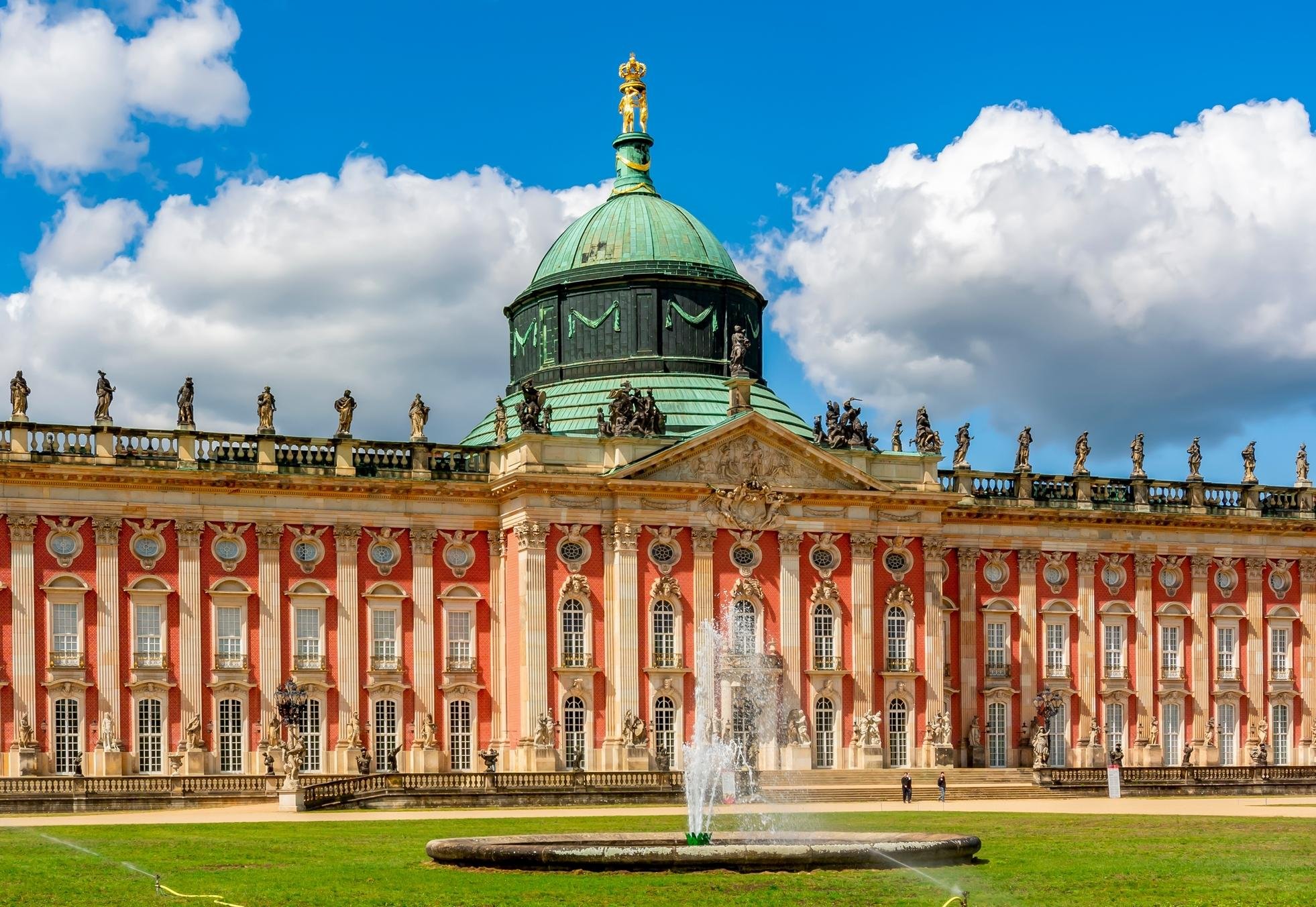
Journey through WWII history at a former concentration camp, then explore Potsdam's stunning royal estates
5 hours
Free Cancellation
Expert-led deep dive into the camp that designed the Holocaust, including the Soviet chapters most tours omit
6 hours
Free Cancellation
Half-day guided exploration of a former Nazi concentration camp and Soviet detention center
6 hours
Free Cancellation
Journey to a former concentration camp north of Berlin for a profound historical experience with expert guides
4 hours
Free Cancellation
Journey to a former WWII concentration camp with an expert guide on this sobering historical experience
6 hours
Free Cancellation
Expert-led historical journey to the first purpose-built concentration camp of the Third Reich
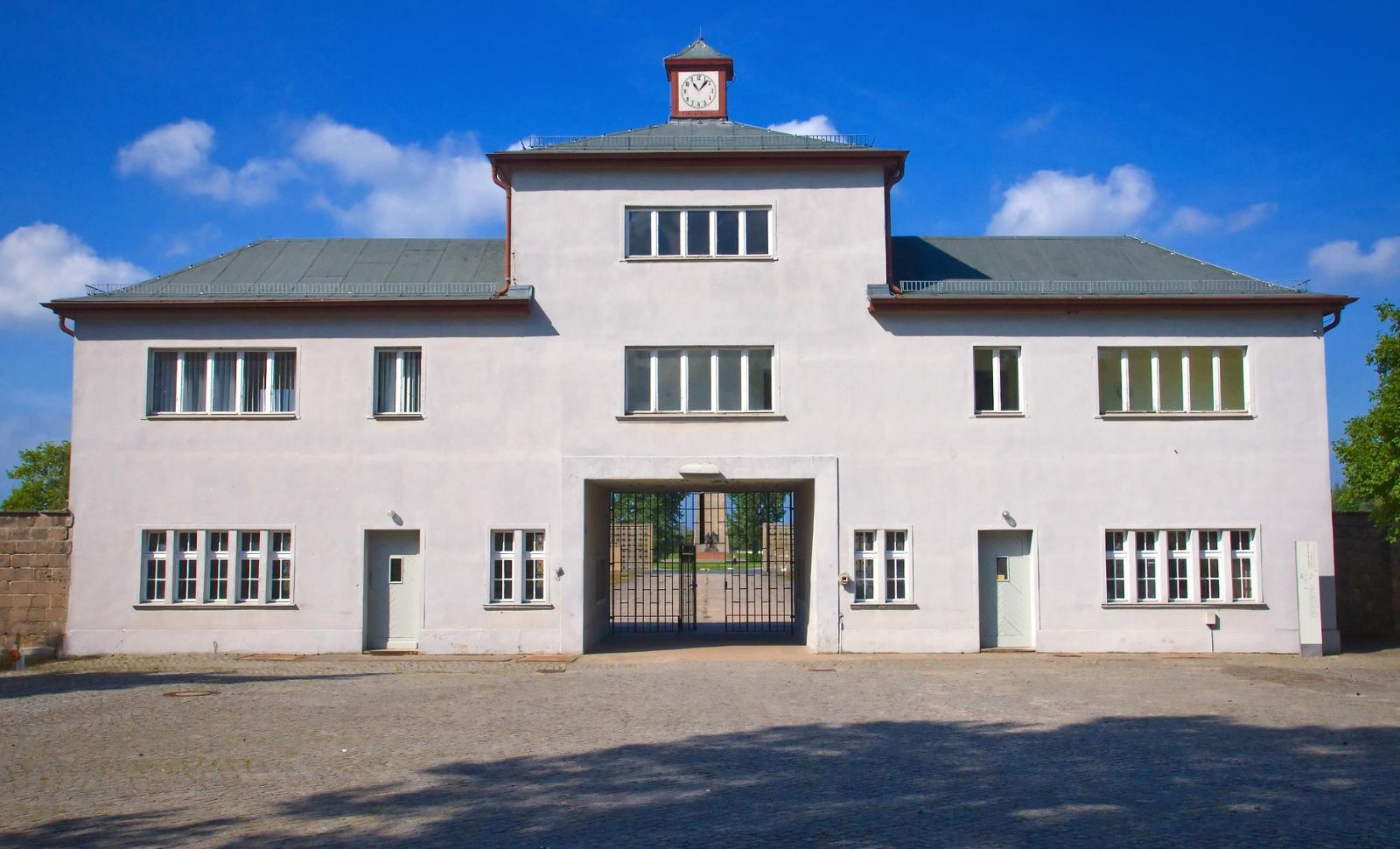
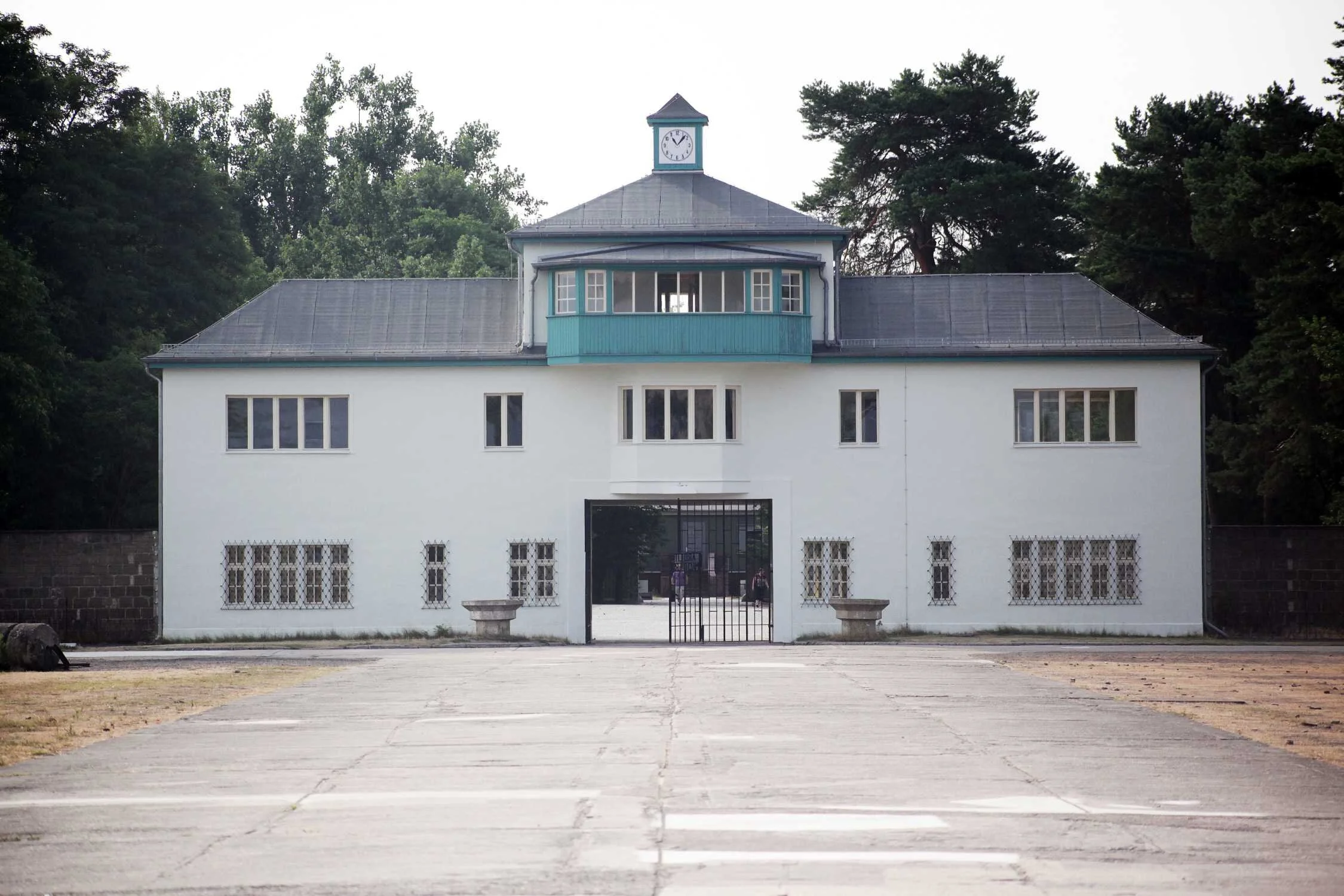
This structure housed the camp administration and represents the control the SS held over prisoners
Station Z
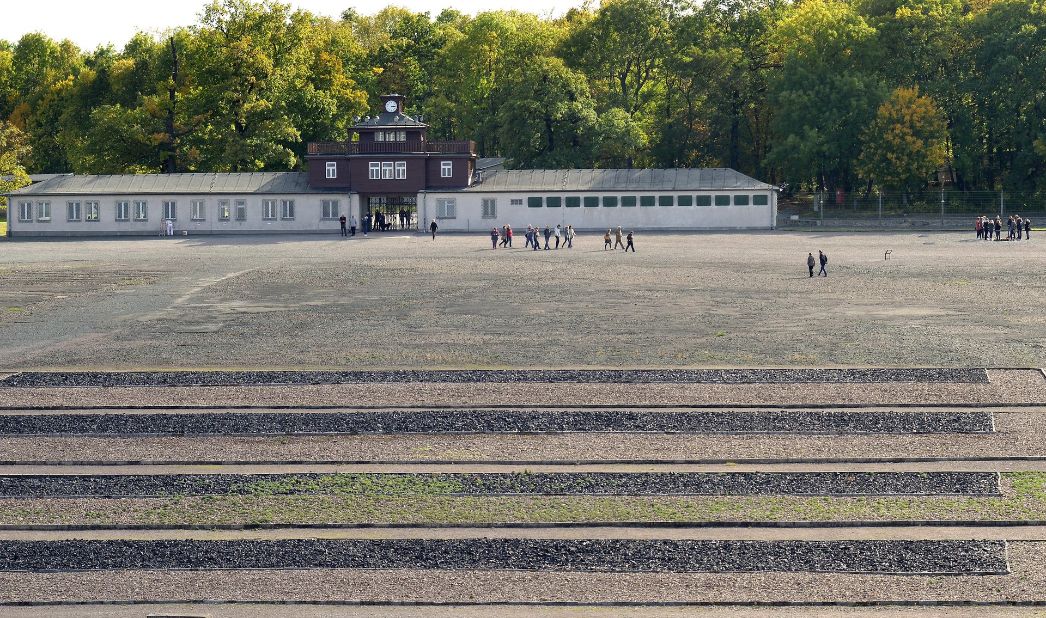
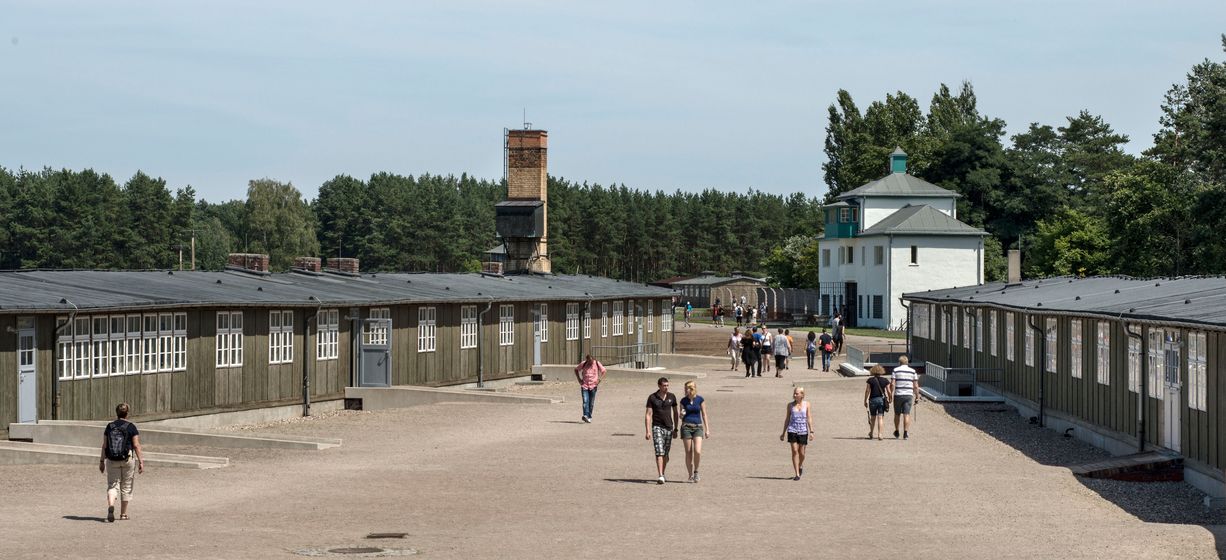
Roll-Call Area
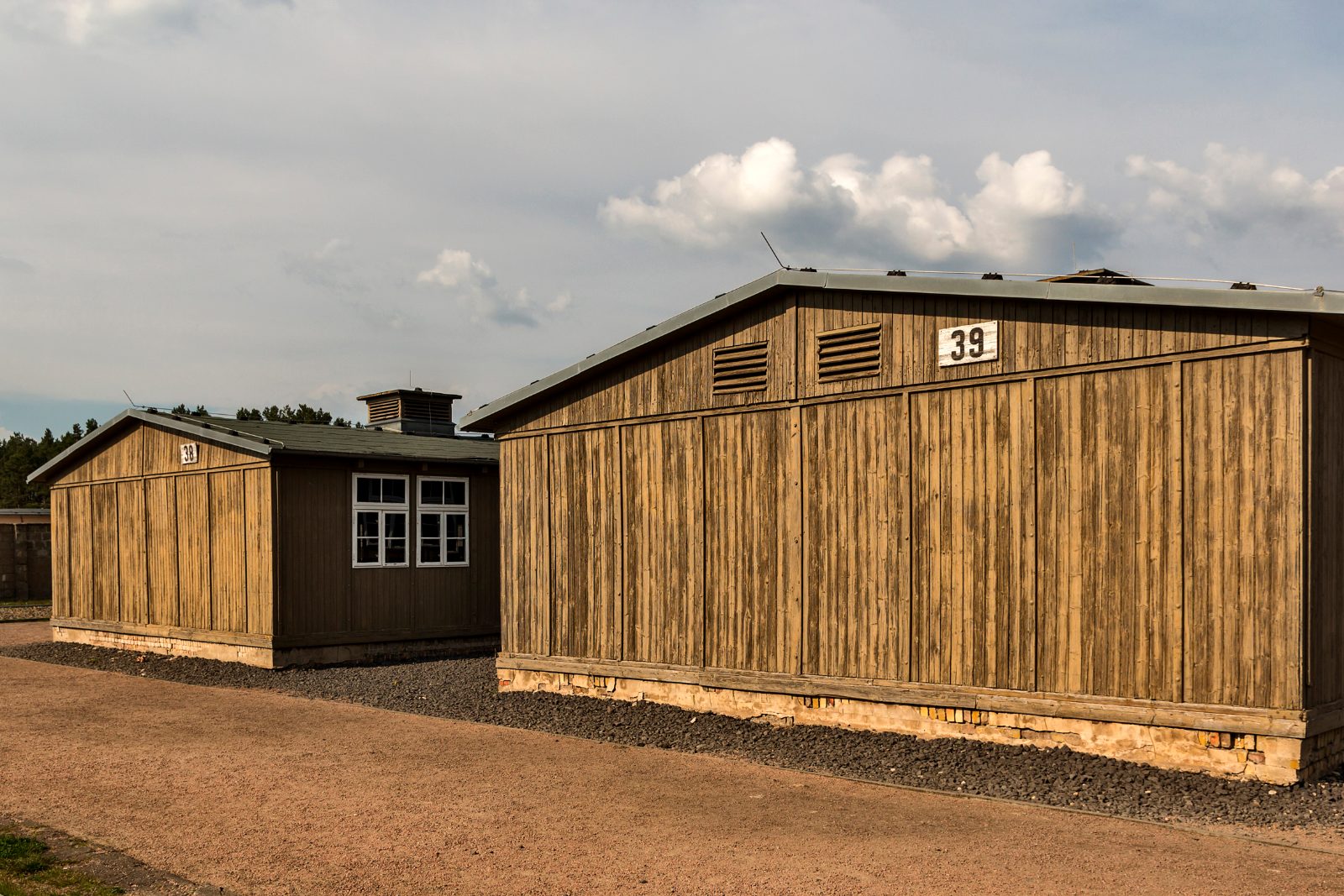
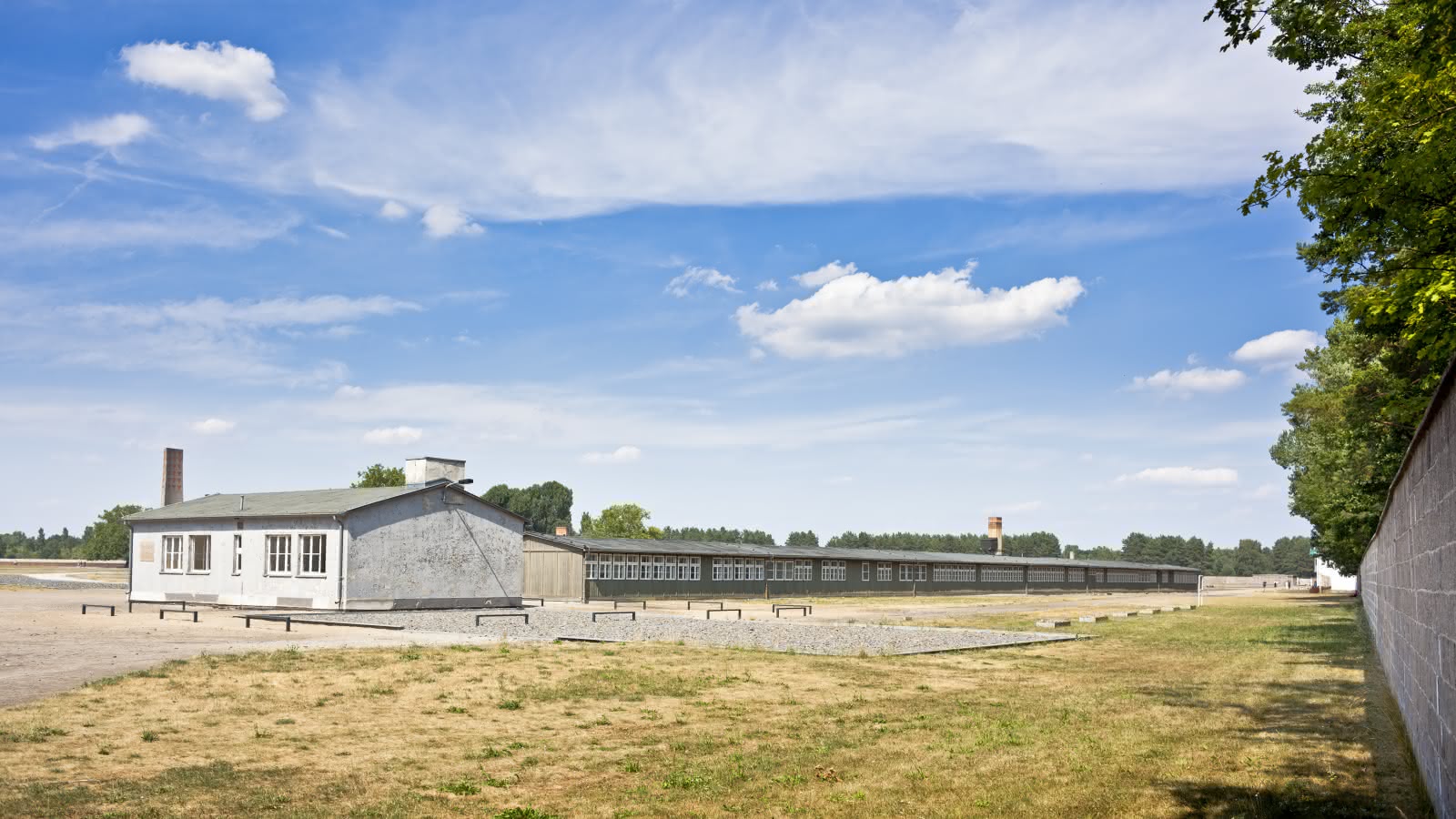
Barracks 38 and 39
Camp Prison
Shoe Testing Track
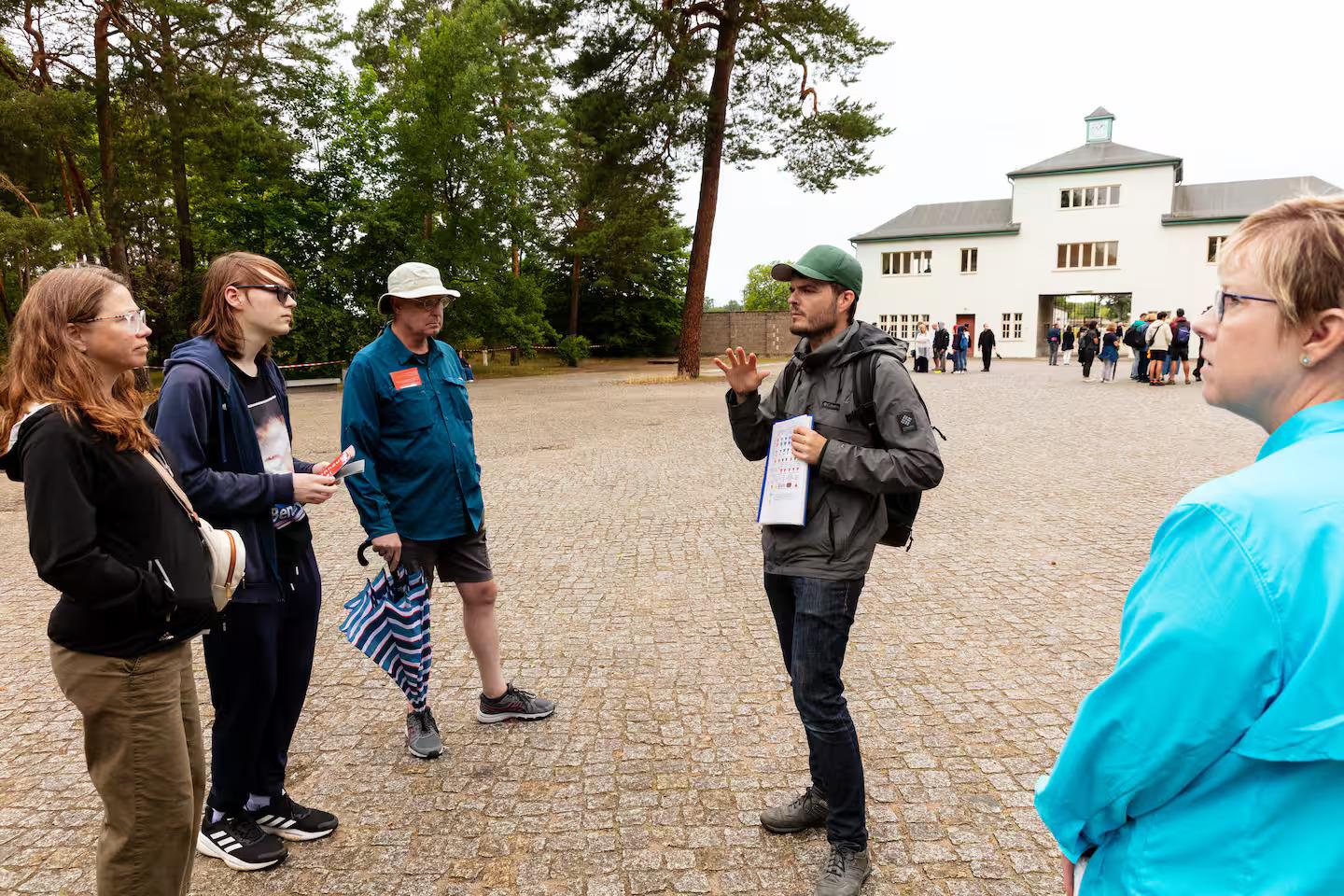
You meet your historian guide near Oranienburg station, thirty minutes north of central Berlin by S-Bahn. The approach follows the route prisoners took after disembarking from cattle cars—through residential streets where townspeople witnessed daily transports.
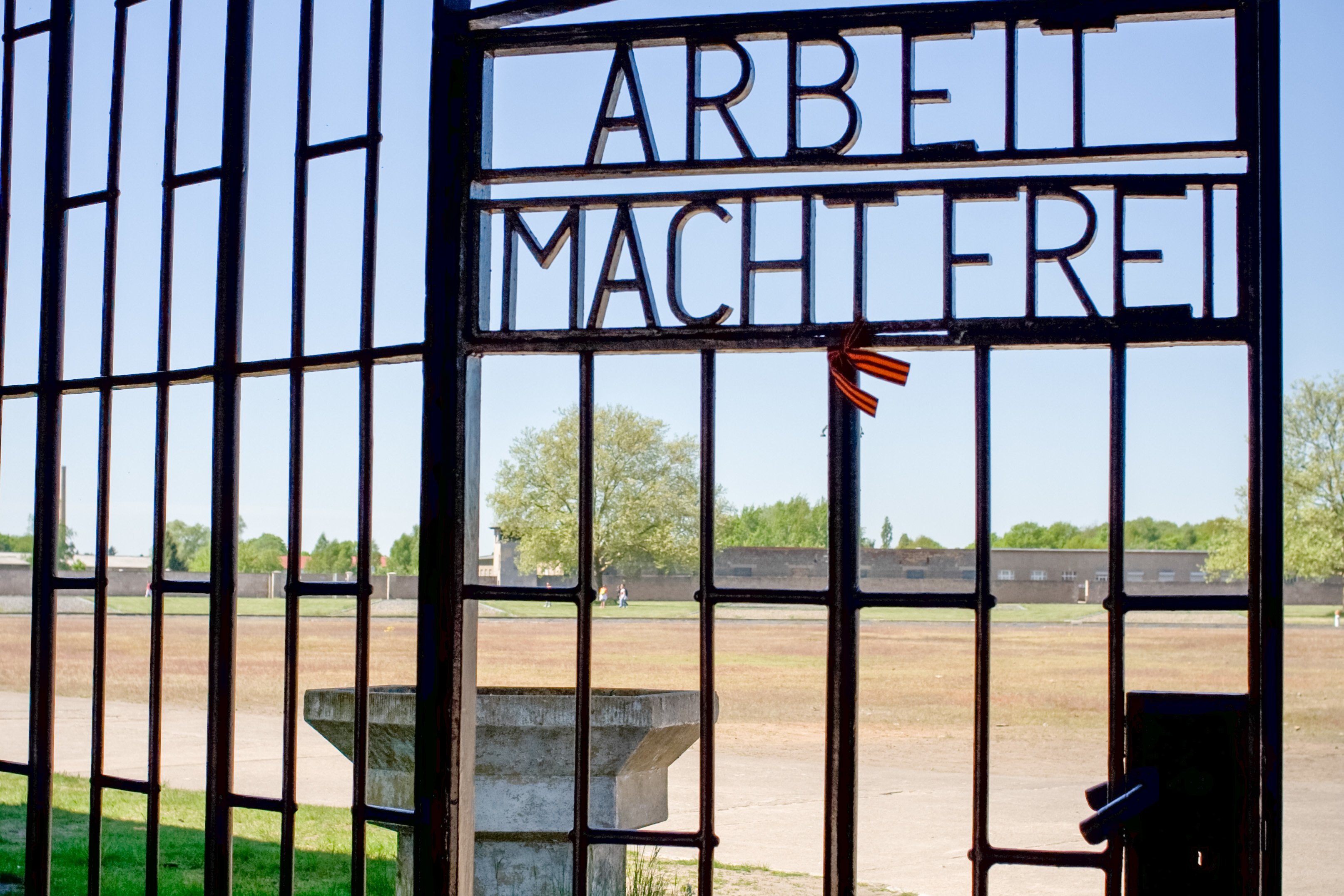
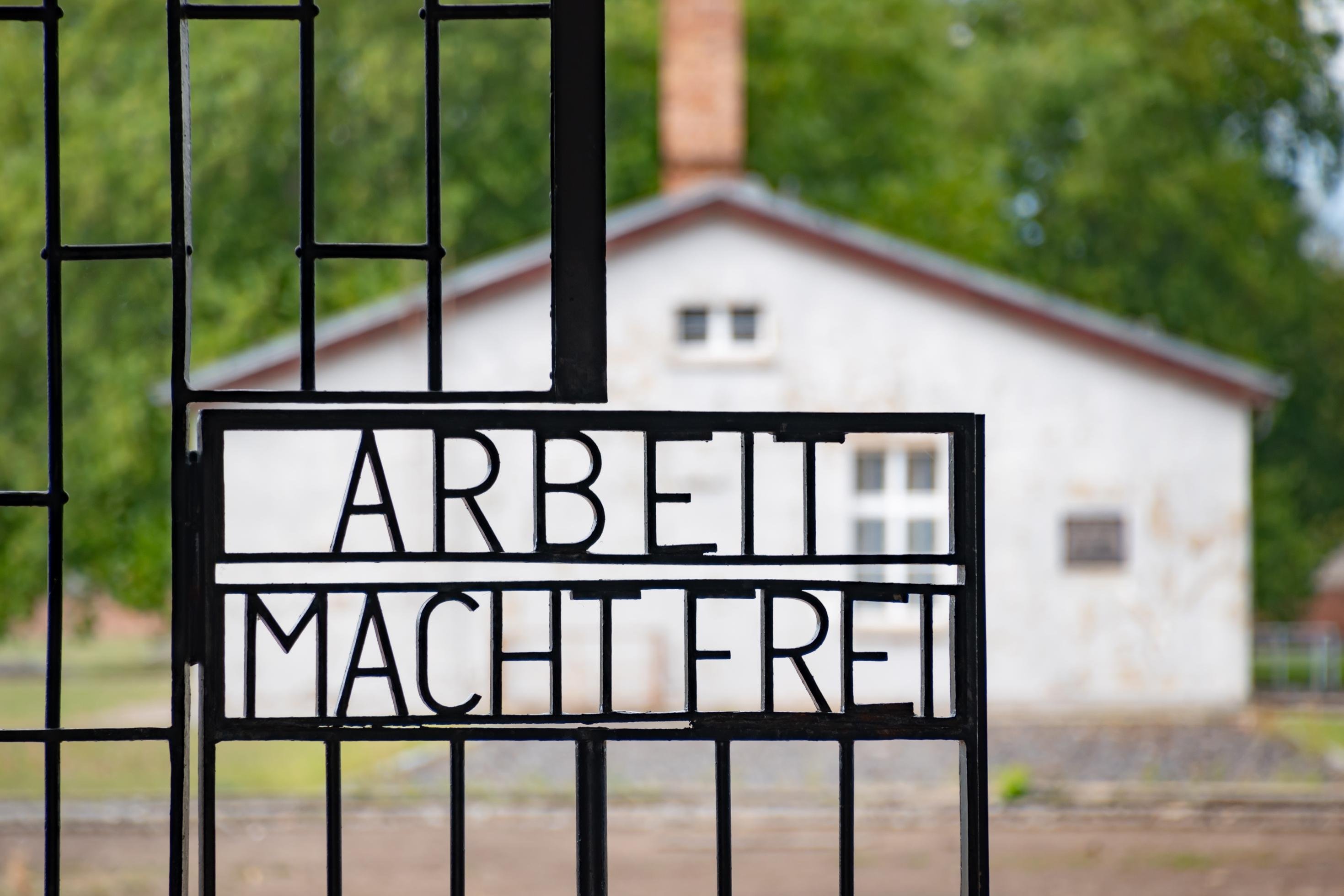
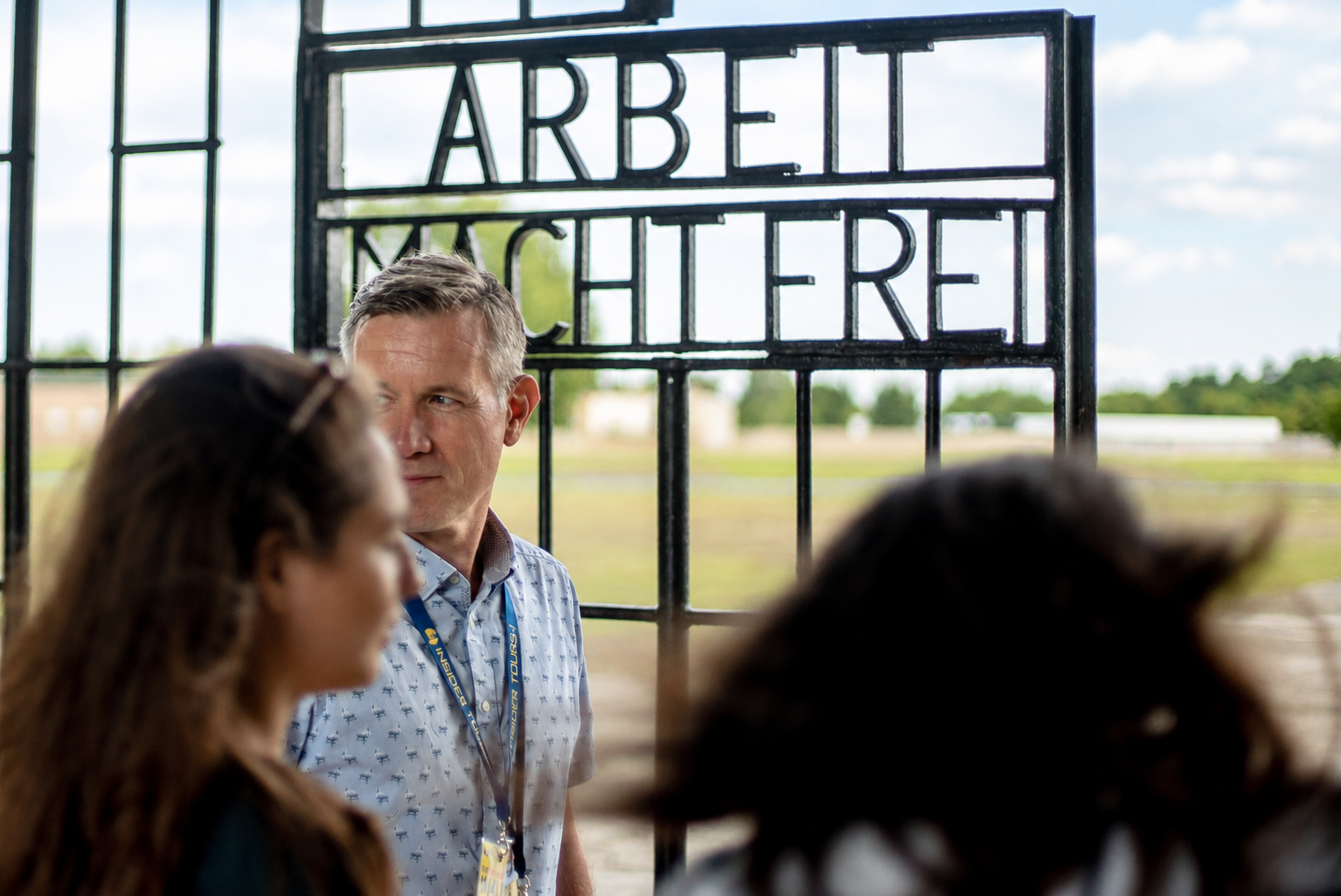
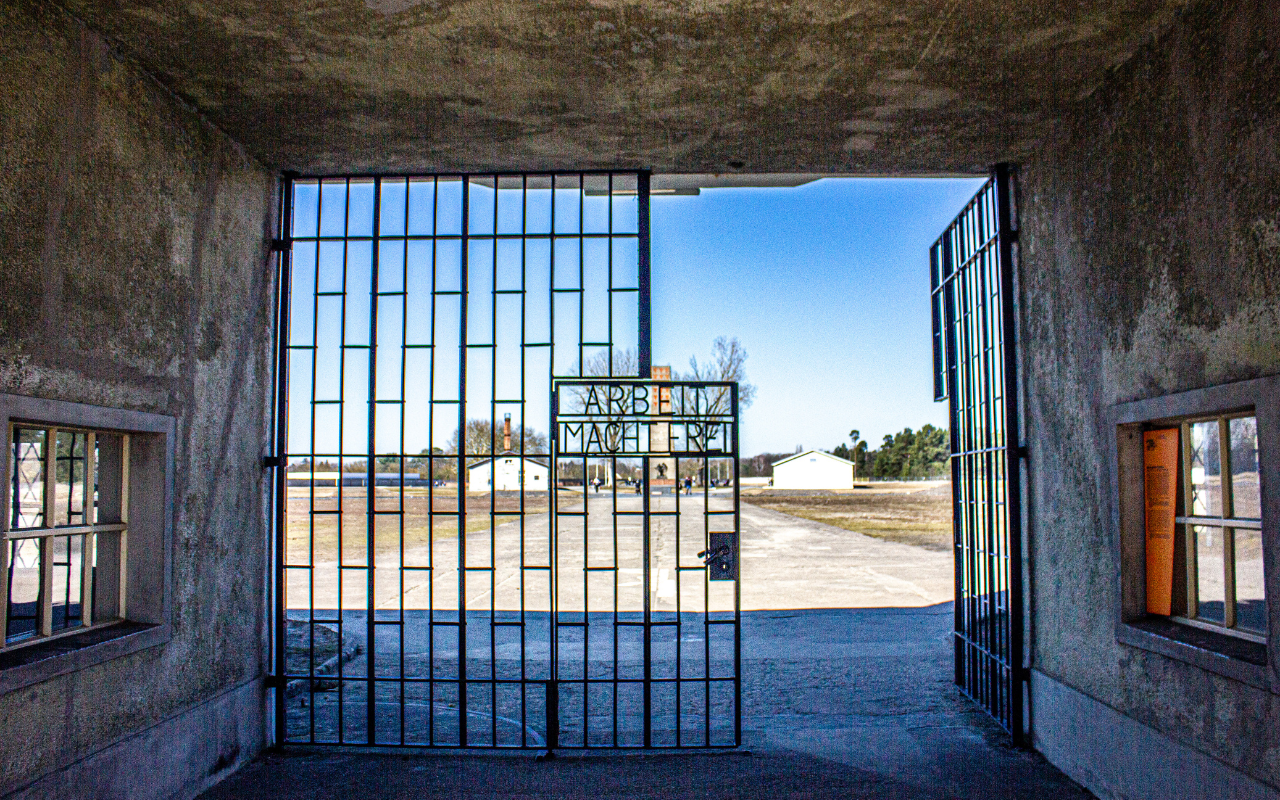
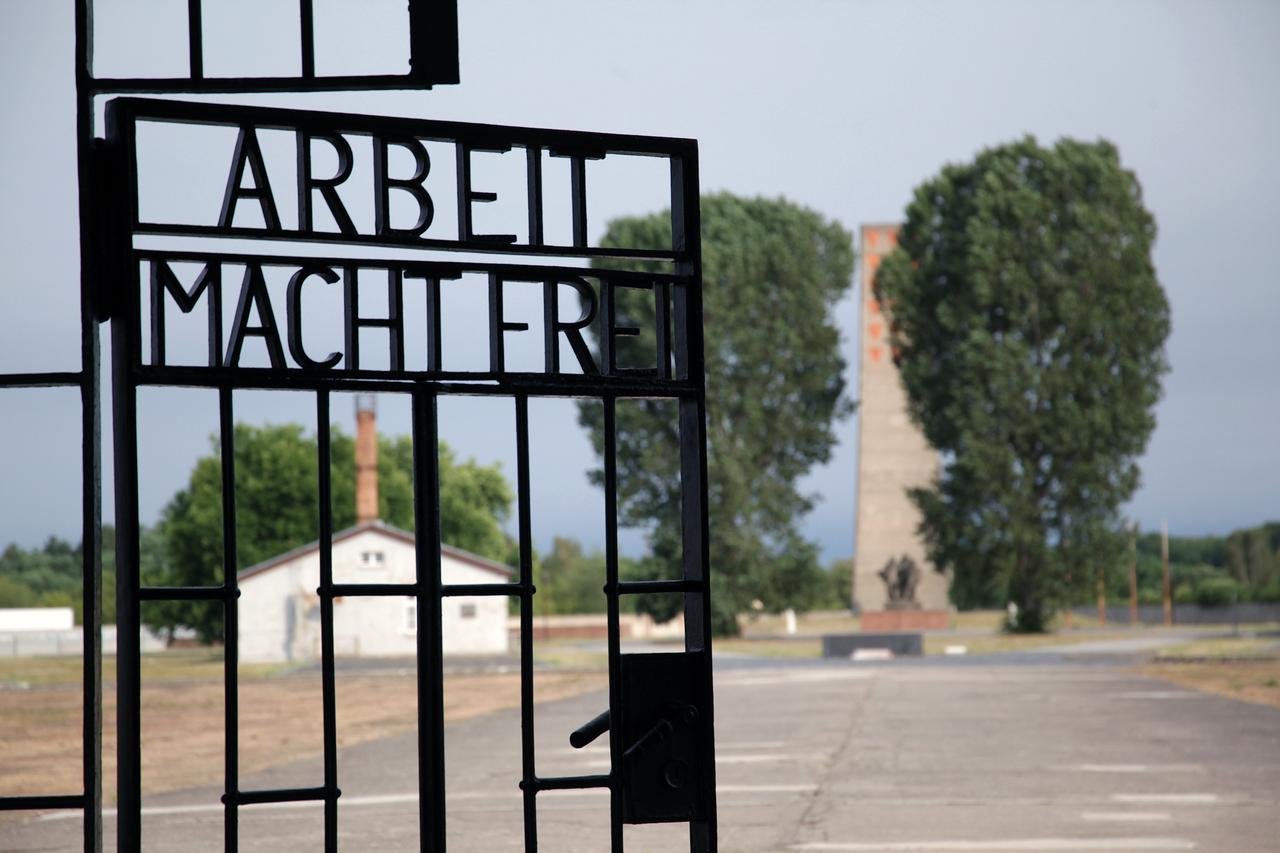
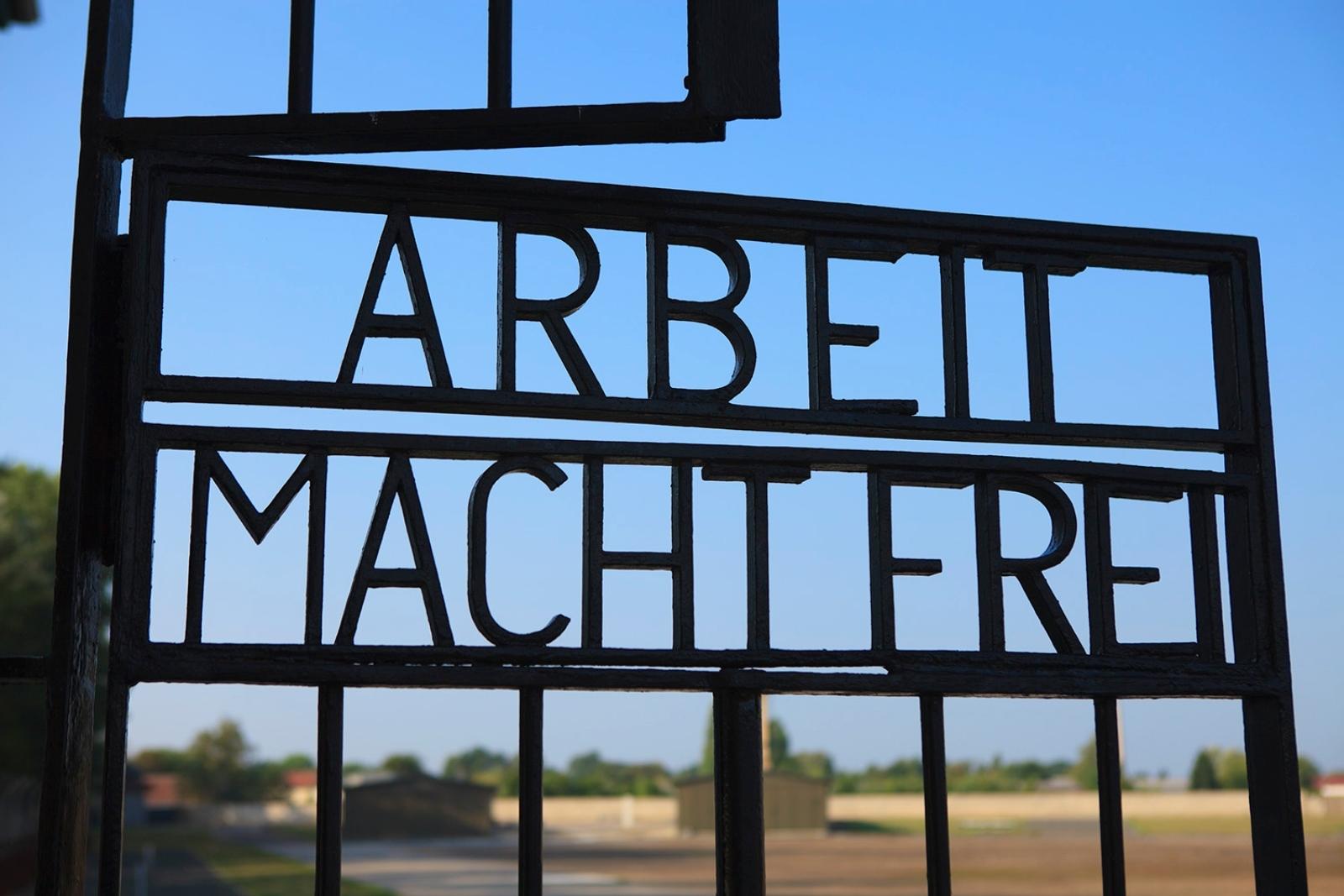
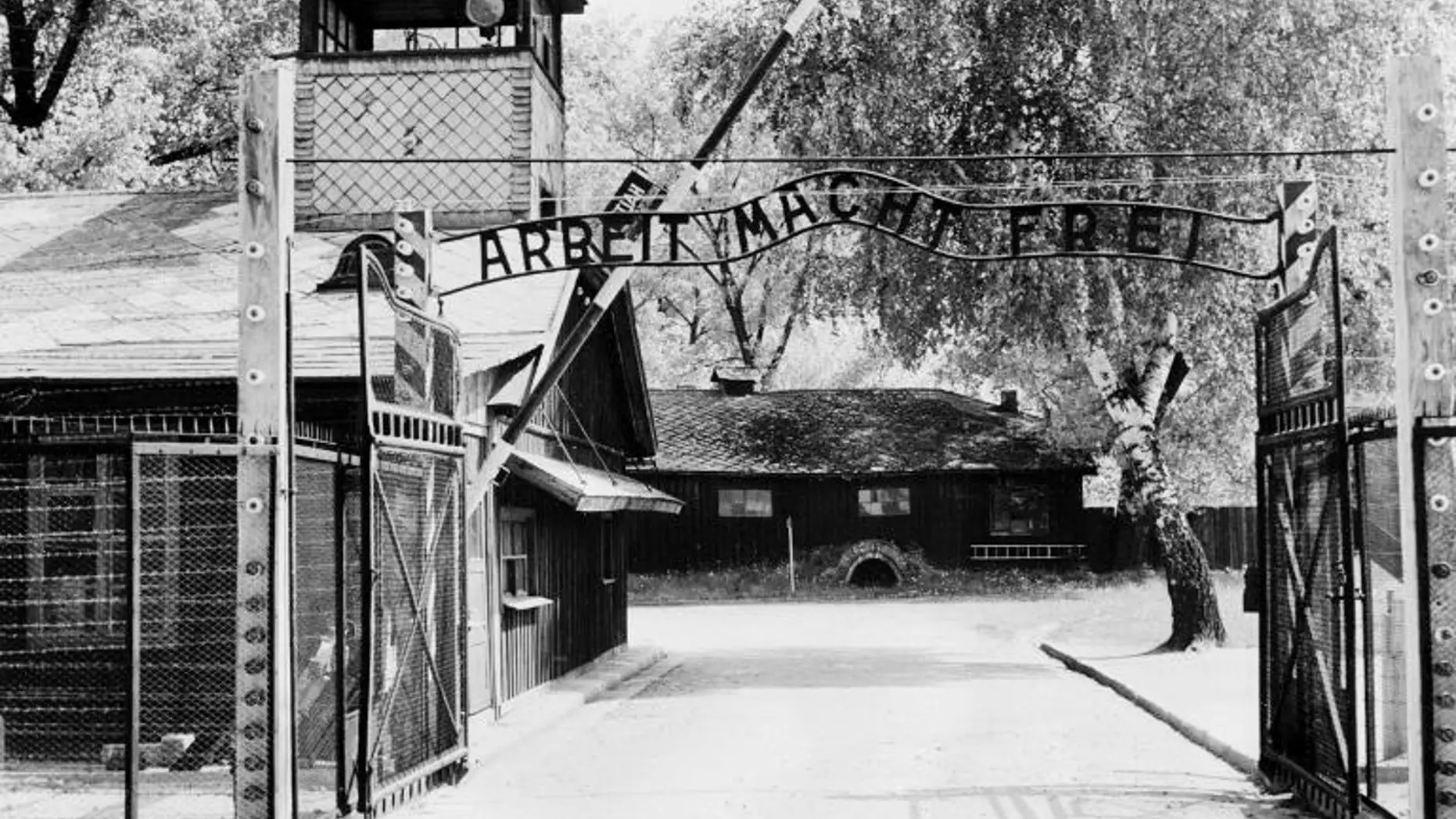
You pass through the iron gate bearing the cynical phrase Arbeit Macht Frei, entering the Appellplatz where 30,000 inmates once stood for dawn roll calls in sub-zero temperatures.
Your guide leads you to Station Z, the execution facility hidden behind the camp laundry. You examine the brick chimney of the crematorium and the narrow trench where prisoners faced firing squads. Inside Barracks 38, you study photographs of resistance cells and forged identity papers that saved hundreds of lives. The restored punishment cells measure two metres square—isolation chambers where inmates spent weeks in darkness. You walk the perimeter path past watchtowers numbered counterclockwise, pausing at the site where Soviet POWs were shot in 1941.
In the museum building, you review documents showing how Sachsenhausen functioned as the administrative heart of the camp system. The tour concludes at the International Monument, where you stand in silence before returning through the preserved gate. The entire experience spans four hours, with your guide answering questions throughout.
All the details about your upcoming adventure in one place
Heinrich Himmler inaugurated Sachsenhausen in July 1936 as the model concentration camp for the entire SS system. Located thirty-five kilometres north of Berlin in Oranienburg, the camp trained guards who later staffed facilities across occupied Europe and imprisoned more than 200,000 people between 1936 and 1945.
Soviet forces liberated approximately 3,000 survivors in April 1945. The site's triangular layout—designed for maximum surveillance from a central watchtower—became the architectural template for Nazi camps. Today the memorial preserves eighteen original structures across fifty-nine hectares.
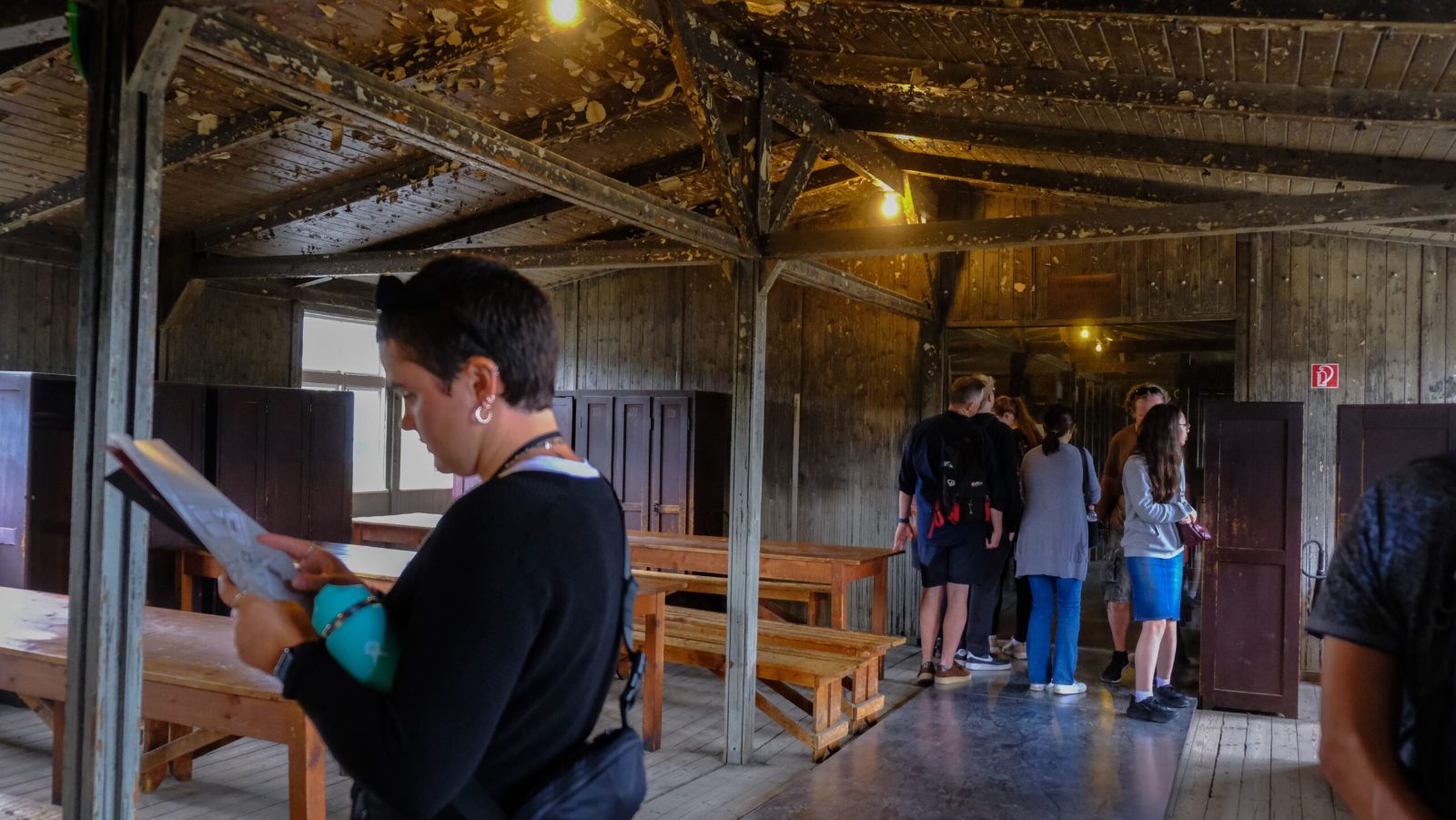
The Oranienburg memorial site operates as Germany's most comprehensive concentration camp museum. Visitors encounter the preserved punishment cells in Station Z, where the SS conducted medical experiments and systematic executions. The pathology building displays forensic evidence and testimony from Nuremberg trials. Barracks 38 and 39 house permanent exhibitions documenting daily prisoner life, resistance networks, and the camp's role in the Third Reich's administrative machinery. The Jewish memorial, designed by Stiftung Brandenburgische Gedenkstätten, stands where the synagogue once occupied the camp's northeast corner.
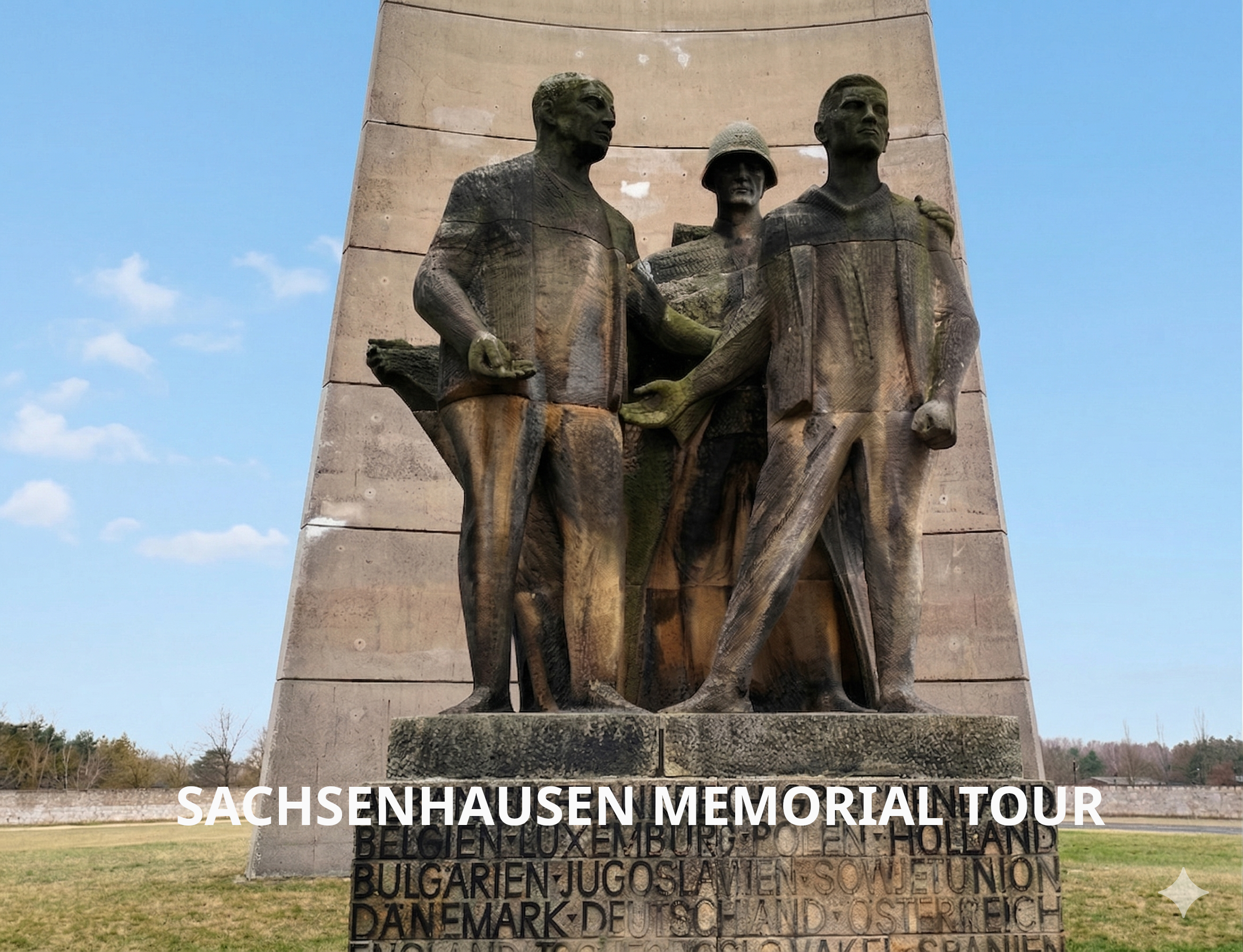
Sachsenhausen concentration camp tours from Berlin depart multiple times daily and include expert-led interpretation of the site's complex history. The memorial's International Monument, erected in 1961, marks the mass graves of 12,000 victims. Guided experiences navigate the Appellplatz where prisoners endured hours-long roll calls, the shoe-testing track where inmates walked forty kilometres daily to evaluate Wehrmacht boot prototypes, and the reconstructed infirmary that doubled as a killing centre. The on-site archive holds 1.2 million documents available to researchers.
Entry to the memorial grounds and museums remains free of charge, though advance reservation for concentration camp guided tours ensures structured interpretation by historians specialising in Holocaust education. The site opens at 08:30 daily, with morning visits recommended to allow four hours for the expansive outdoor grounds and seventeen exhibition rooms. Audio guides supplement the permanent displays in eight languages, and the visitor centre at Straße der Nationen 22 provides orientation materials and historical context before entering the preserved camp perimeter.

The triangular layout became the architectural template for the entire SS camp system.
Visitors are expected to wear attire appropriate for a place of commemoration. Sturdy, comfortable footwear is essential due to the large, uneven outdoor terrain.
Lockers for medium-sized bags are provided at the Visitor Information Centre. Larger items cannot be stored on-site, and visitors are warned not to leave valuables in vehicles.
Photography is permitted for personal, non-commercial use, provided it does not disturb the dignity of the site. Flash photography and auxiliary lighting are strictly prohibited.
The memorial is not recommended for children under the age of 12. Educational content is primarily designed for students aged 14 and older.
Accessibility is limited due to the historic nature of the buildings and grounds. Wheelchairs can be borrowed at the Visitor Information Centre, but most areas are best navigated with an accompanying person.
There is a café located in the New Museum building for visitors. Eating is discouraged on the memorial grounds themselves, as they are a site of remembrance and burial.
Opening Hours
08:30–18:00
Address
Straße der Nationen 22, 16515 Oranienburg, Germany
Accessibility
Limited; mostly gravel paths and historic terrain
Arrival
08:30–12:00
Storage
Lockers available for medium-sized bags
Official Site
https://www.sachsenhausen-sbg.de
Cancellations for booked services such as guided tours must be submitted in writing via email. Admission to the memorial and museums is 0 EUR and does not require cancellation.
Recommended time
4-5 hours
A thorough exploration of the memorial site requires significant time to engage with the former barracks, the prisoner camp, and the various exhibitions found within this significant Oranienburg landmark. While many visitors inquire about berlin concentration camp tickets, entry to the memorial and museums is free, allowing you to focus your budget on guided berlin concentration camp tickets tours that offer deeper historical context. We recommend allocating a full morning to navigate the grounds at a steady pace, as guided berlin concentration camp tickets tour groups can increase congestion in the central inspection area during the afternoon. For those utilizing berlin concentration camp tickets tickets for self-guided audio devices, ensure you account for travel to the site when planning your day.
Crowd levels through the day
Sachsenhausen opened in July 1936 as a purpose-built prototype for the Nazi concentration camp system. Heinrich Himmler selected the site north of Berlin to demonstrate architectural ideals of surveillance and control. Architect Bernhard Kuiper designed the triangular layout with a central tower commanding sightlines across every barrack. The SS administered the camp as both a detention facility and a training ground for guards who would staff camps across occupied Europe. By 1938, Sachsenhausen held political prisoners, Jehovah's Witnesses, homosexuals, and Roma, with Jewish inmates subjected to escalating brutality during Kristallnacht arrests. The camp transitioned into an instrument of mass murder after 1941. SS officers constructed Station Z, an execution facility with a trench for shooting prisoners and a crematorium to dispose of bodies. Soviet prisoners of war arrived in autumn 1941 and faced systematic starvation and medical experiments. The SS murdered over 10,000 Soviet POWs by early 1942. Sachsenhausen also served as the administrative hub for counterfeit operations, forcing prisoners to forge British pounds in Operation Bernhard. As the Red Army advanced in early 1945, guards forced 33,000 prisoners on death marches westward. Thousands died from exposure and summary executions before Soviet forces liberated the remaining inmates on April 22, 1945. The Soviet occupation authority repurposed Sachsenhausen as Special Camp No. 7 from August 1945 to March 1950. The NKVD detained former Nazi officials alongside Social Democrats and other perceived opponents of Soviet policy. Approximately 60,000 prisoners passed through the Soviet camp, with 12,000 dying from disease and malnutrition. East Germany opened the site as a national memorial in 1961, emphasizing communist resistance while minimizing Jewish and homosexual persecution. Reunification prompted a comprehensive redesign in 1993. Today the memorial preserves original barracks, the execution trench, and pathology building as evidence of both Nazi atrocities and Soviet repression. Visitors researching berlin concentration camp tickets encounter this dual historical burden across the 400-acre site.
Sachsenhausen opened in July as the SS model concentration camp with triangular surveillance architecture.
Kristallnacht arrests brought thousands of Jewish prisoners to Sachsenhausen for brutal detention and forced labor.
Station Z execution facility murdered over 10,000 Soviet prisoners of war through shootings and starvation.
SS guards forced 33,000 prisoners on death marches westward as the Red Army approached from the east.
Soviet NKVD operated Special Camp No. 7 on the site, detaining 60,000 prisoners and causing 12,000 deaths.
East Germany inaugurated the national memorial, prioritizing communist resistance narratives over other victim groups.
Reunified Germany redesigned the memorial to acknowledge Jewish persecution, homosexual victims, and Soviet-era abuses.
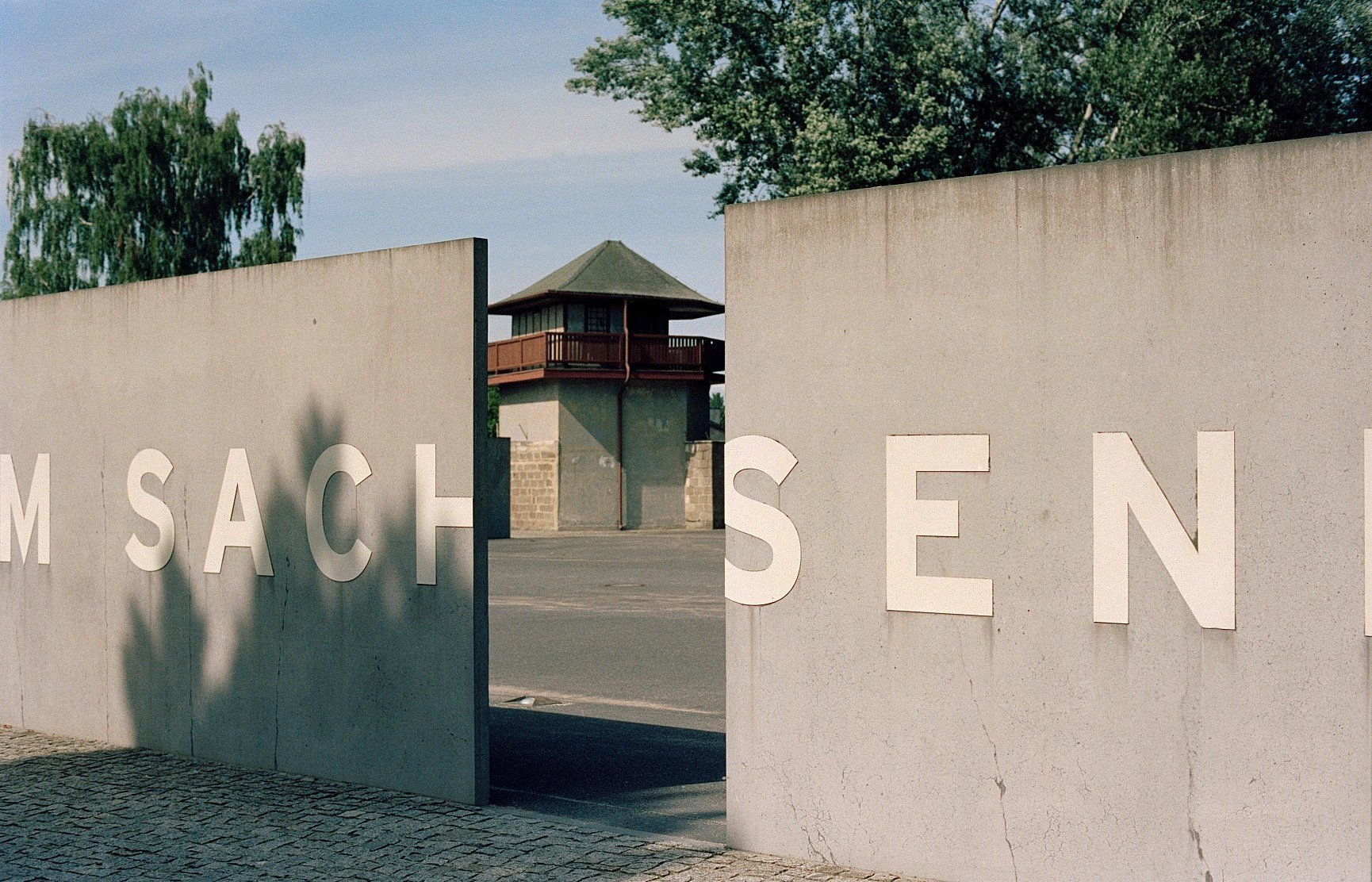
Stand directly in front of the iron gate featuring the infamous slogan to capture the symmetry of the entrance. This location is a key stop for those researching berlin concentration camp tickets tours.
Position yourself at the edge of the large gravel roll call square to document the vastness of the site. This perspective is frequently included in any professional berlin concentration camp tickets tour.
Walk between the reconstructed housing blocks to capture the repetitive, stark lines of the camp architecture. Many visitors inquire about berlin concentration camp tickets tickets when planning to document these somber structures.
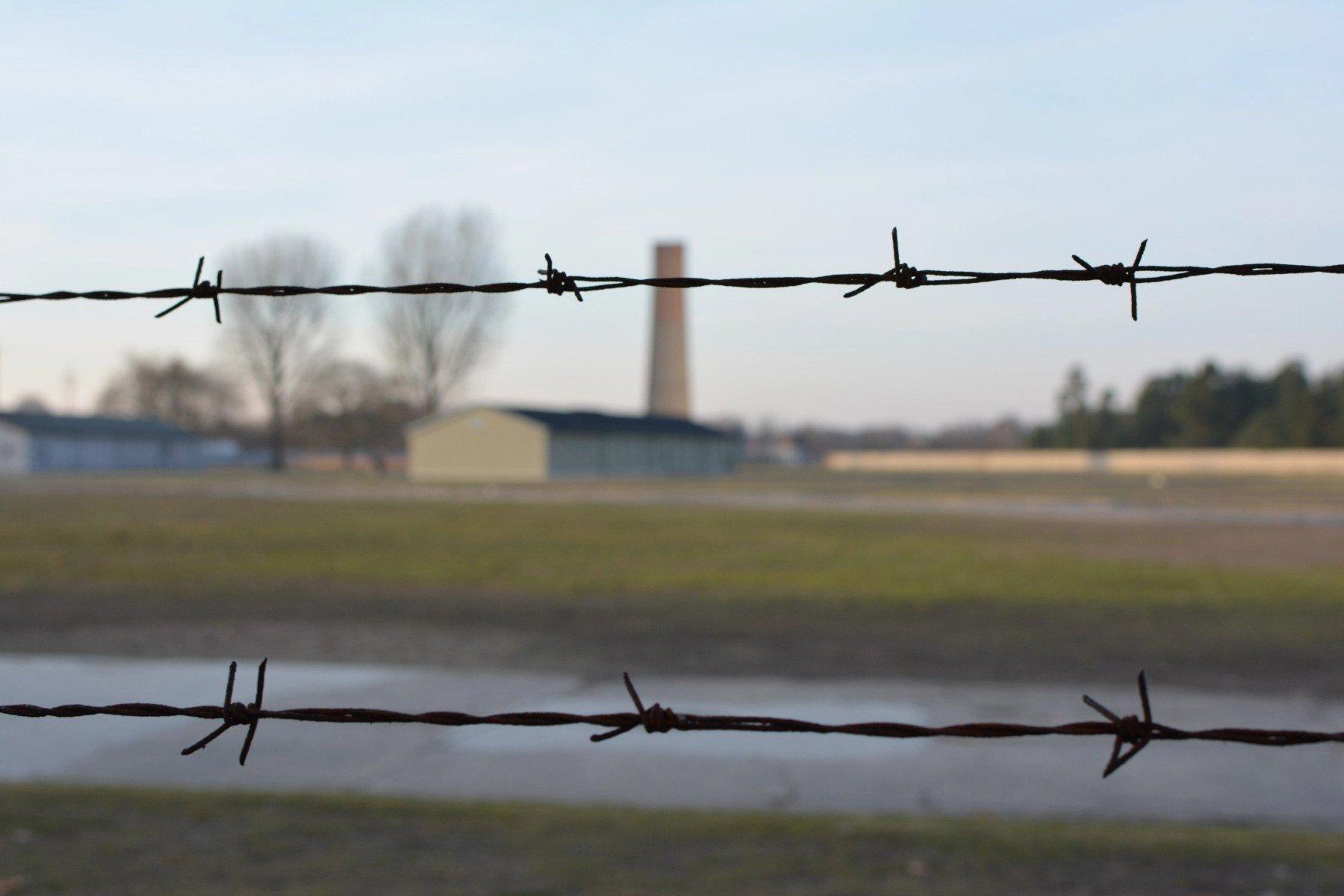
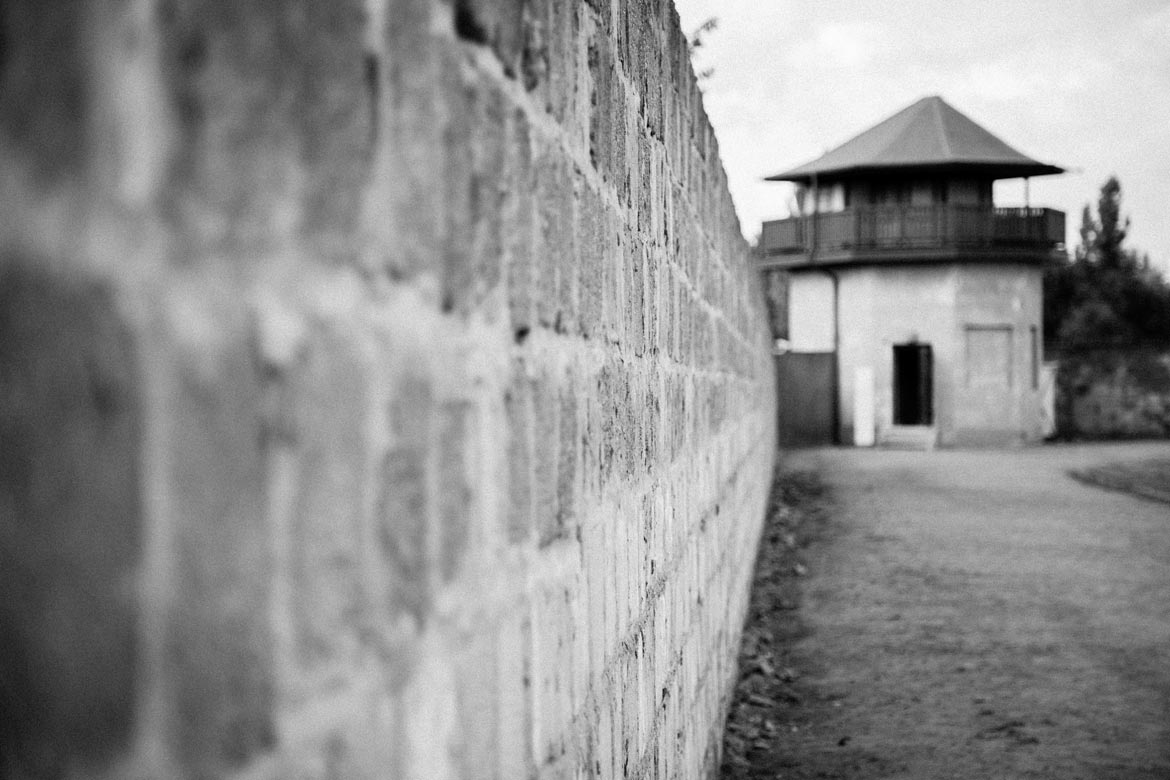
Frame the watchtower from the ground level looking upward to emphasize the scale and the surveillance layout of the memorial. This is a common vantage point for photographers interested in Oranienburg memorial landmarks.
Visiting the Sachsenhausen memorial with children requires careful emotional preparation, as the site offers a somber look at history rather than a standard museum experience. While many visitors search for berlin concentration camp tickets, please note that entry to the memorial is free for all guests.
The grounds consist of gravel paths and uneven terrain which can make using a stroller challenging; a carrier is often more practical for navigating the memorial site.
Due to the sensitive nature of the site, it is generally recommended for children aged 14 and older; parents should assess their child's emotional readiness for historical topics related to the Holocaust.
There are limited amenities on-site, so plan to use the bathroom facilities at the visitor center before beginning your walk through the former camp grounds.
The site is expansive, so families should plan for frequent breaks to process the historical content and avoid rushing through the various barrack exhibitions.
If you prefer a guided experience, look for berlin concentration camp tickets tours that offer structured educational context suitable for mature student groups.
Those seeking a skip-the-line berlin concentration camp tickets tour often find that guided groups provide necessary historical depth, though individual, self-paced visits remain a popular way to explore these Oranienburg landmarks at your own speed.
Visitors seeking information on berlin concentration camp tickets should note that there are no dining facilities inside the memorial site. Most travelers planning a Sachsenhausen memorial tour bring their own refreshments to enjoy outside the perimeter, as options within Oranienburg are limited near the entrance.
This local bakery offers sandwiches and coffee, providing a practical stop before or after your berlin concentration camp tickets tours. It is well-suited for a quick breakfast to sustain you during your exploration of the memorial grounds.
Everything you need to know for your journey
Entrance to the memorial and museums is 0 EUR; you do not need to purchase general admission berlin concentration camp tickets.
Yes, various berlin concentration camp tickets tours are offered, though they should be booked in advance directly through the site.
The address is Straße der Nationen 22, 16515 Oranienburg, Germany.
We recommend a best arrival window of 08:30–12:00 to avoid mid-day crowds and explore the grounds.
The memorial is generally not recommended for children under 12; educational materials are designed for students 14 and older.
Lockers are available for medium-sized bags in the Visitor Information Centre, but larger items cannot be stored.
The memorial has limited accessibility due to its historic site nature; borrowing a wheelchair at the center is possible.
Photography for personal use is permitted, but flash and professional lighting are prohibited.
Take the S1 train to Oranienburg followed by a short bus ride or walk.
The hire fee for audio guides is 3,50 EUR per device.
Join thousands of happy travelers who have discovered this incredible experience
Book Your Experience Now