4 hr
Sachsenhausen Concentration Camp Guided Tour from Berlin
- Expert local guide
- Small group
- Skip-the-line access
- Free cancellation
Berlin Concentration Camp Tour — Sachsenhausen Memorial Visits
Where history demands witness, guided reflection begins
Compare fares, pick the fit — all bookings are mobile-voucher and eligible for free cancellation where shown.
4 hr
6 hr
5 hr
| Experience | From | Duration | Rating | Skip-the-line | Guide | Small group | Price | |
|---|---|---|---|---|---|---|---|---|
|
Guided Experience
Most popular
Sachsenhausen Concentration Camp Guided Tour from Berlin
|
Berlin | 4 hr | ★ 4.9 | ✓ | ✓ | ✓ | €59 | Book → |
|
Guided Experience
Sachsenhausen Memorial Guided Tour from Berlin
|
Berlin | 6 hr | ★ 4.8 | ✓ | ✓ | ✓ | €16 | Book → |
|
Guided Experience
Sachsenhausen Memorial Guided Tour from Berlin
|
Berlin | 5 hr | ★ 4.7 | ✓ | ✓ | ✓ | €25 | Book → |
Hand-picked experiences loved by thousands of travelers
5 hours 30 minutes
Free Cancellation
Journey to one of Nazi Germany's major concentration camps with an expert guide and learn its profound history
5 hours
Free Cancellation
Journey to one of Nazi Germany's most significant concentration camps with an expert guide
6 hours
Free Cancellation
Journey to a former Nazi and Soviet camp on this guided 6-hour historical tour from Berlin
9 hours 30 minutes
Free Cancellation
Journey through WWII history at Sachsenhausen camp, then explore Potsdam's stunning royal estates
6 hours
Free Cancellation
Expert-led historical journey to one of Nazi Germany's most significant concentration camps
5 hours
Free Cancellation
Explore the prototype Nazi concentration camp with a specialist guide in an intimate small-group setting
4 hours
Free Cancellation
Intimate 4-hour visit to Sachsenhausen with a specialist guide, survivor testimonies, and a group of max 7
6 hours
Free Cancellation
Journey through Prussian history and Cold War intrigue in Germany's largest World Heritage site
Arrive at the visitor center for orientation
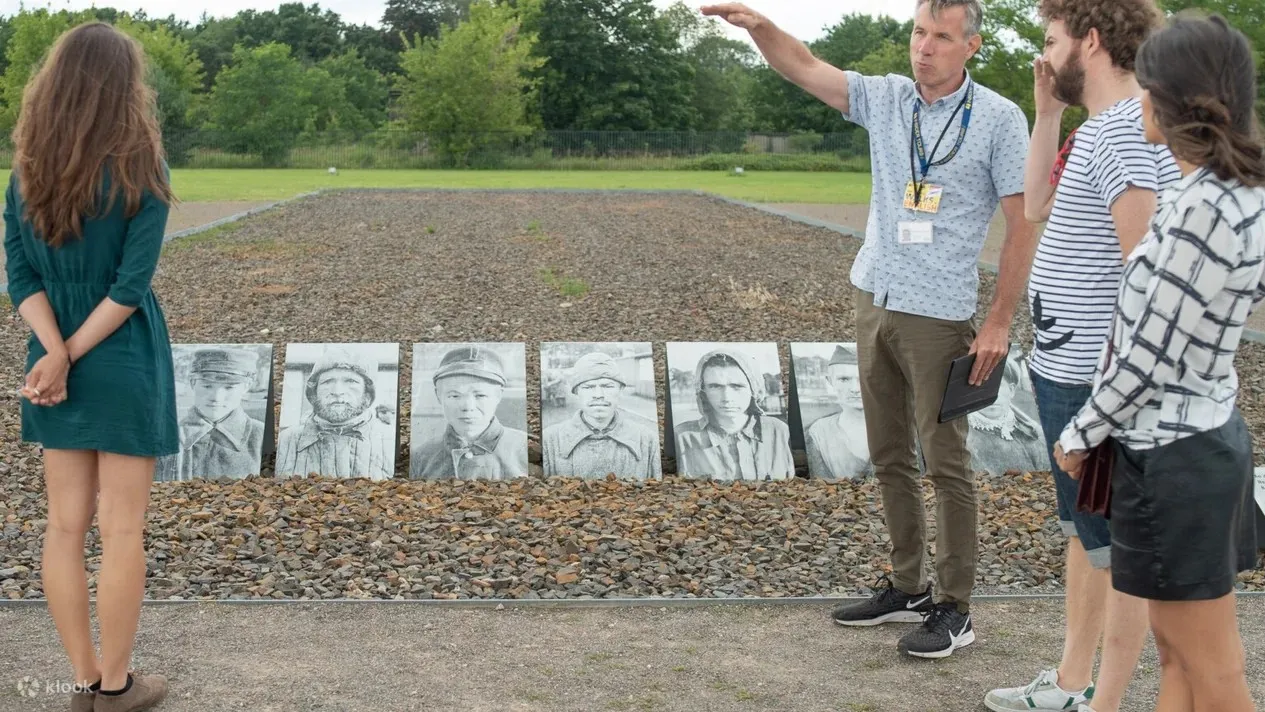
Traverse the prisoner camp and roll call square
Explore the permanent exhibitions in the former kitchen
Visit the memorials near the camp perimeter
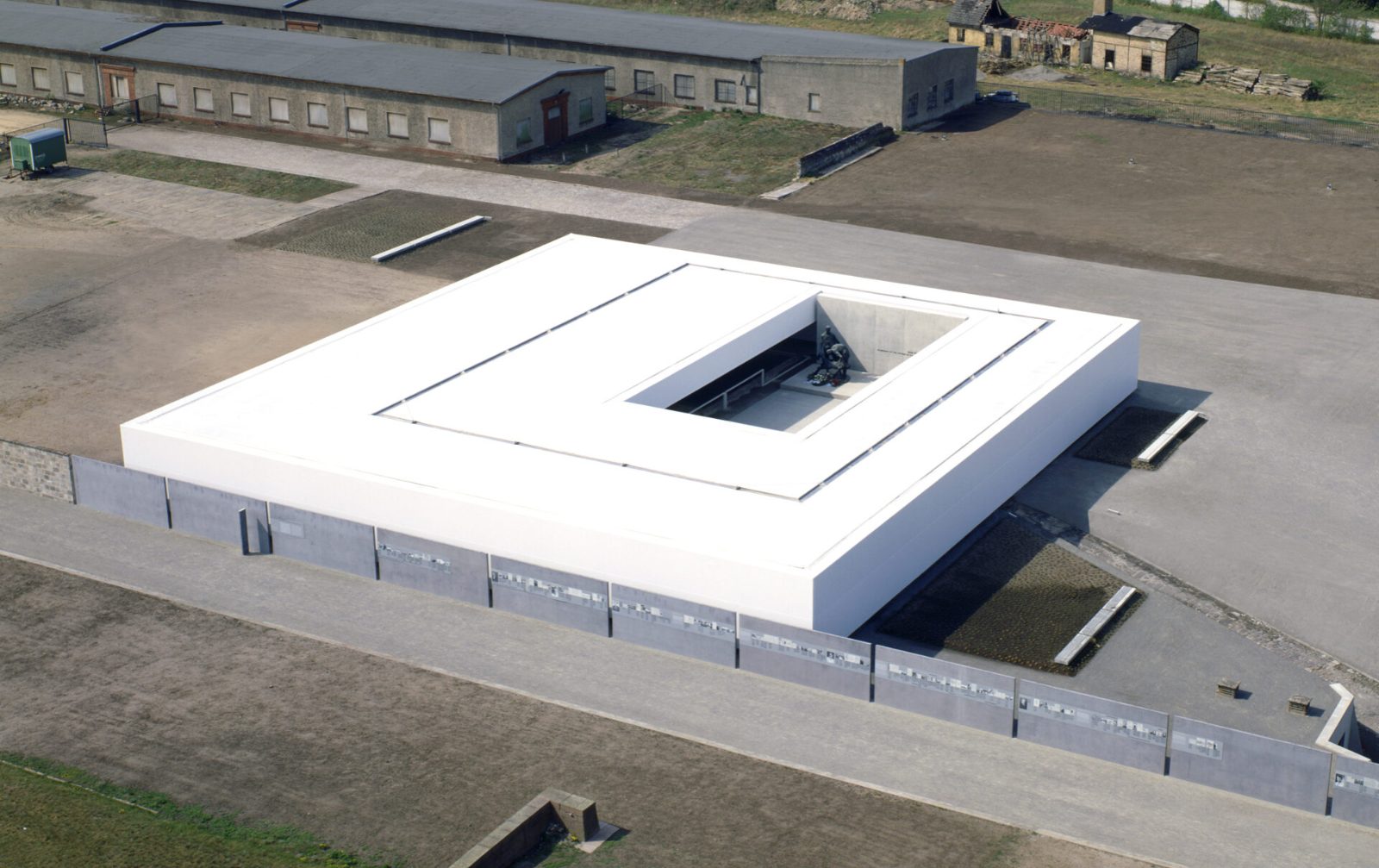
The execution area and crematorium site represent the most somber part of the memorial grounds.
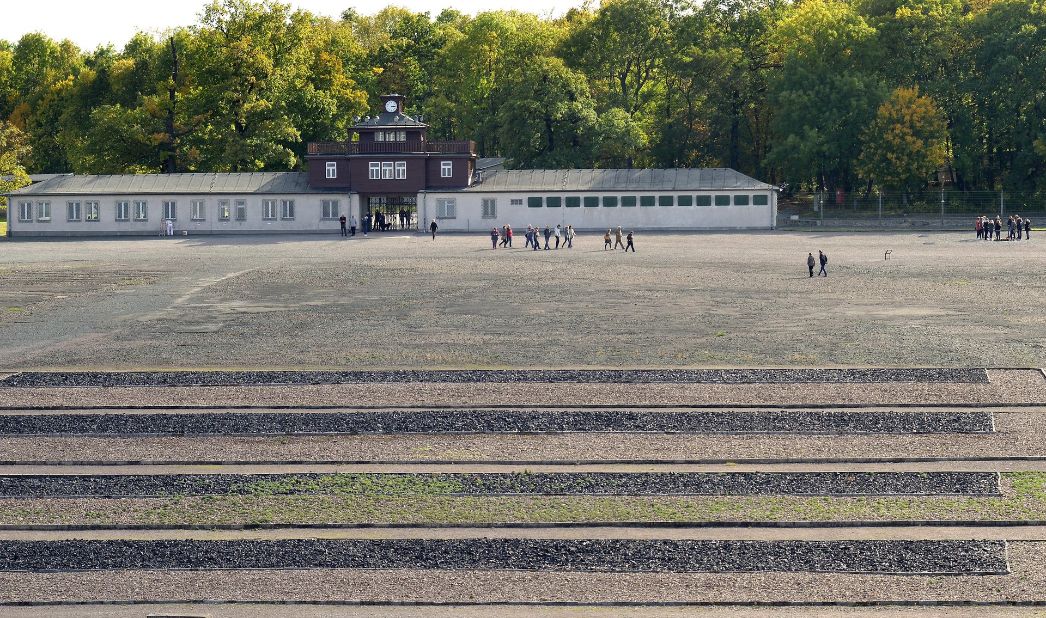
This expansive area was used for daily prisoner counts, often lasting for several hours.
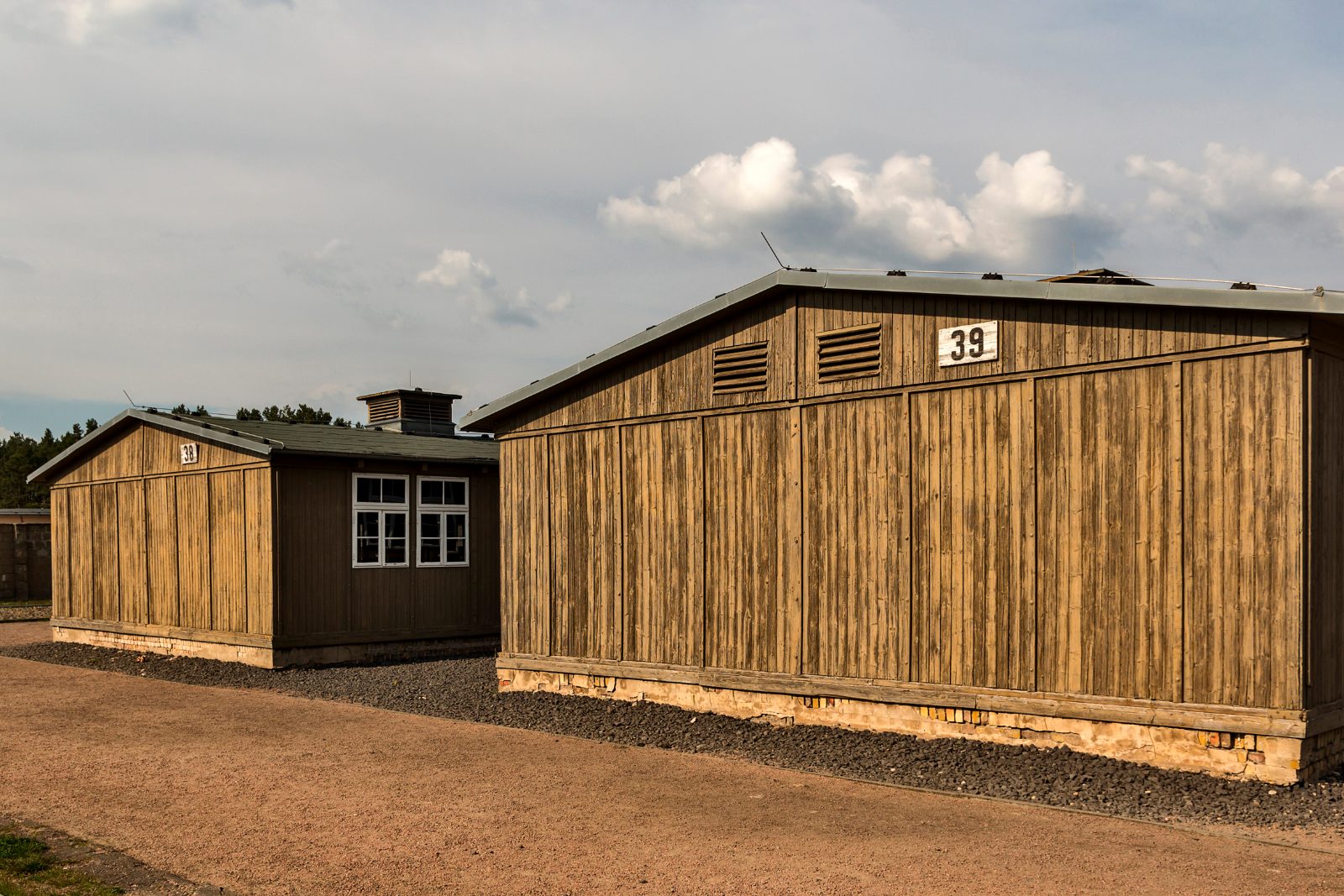
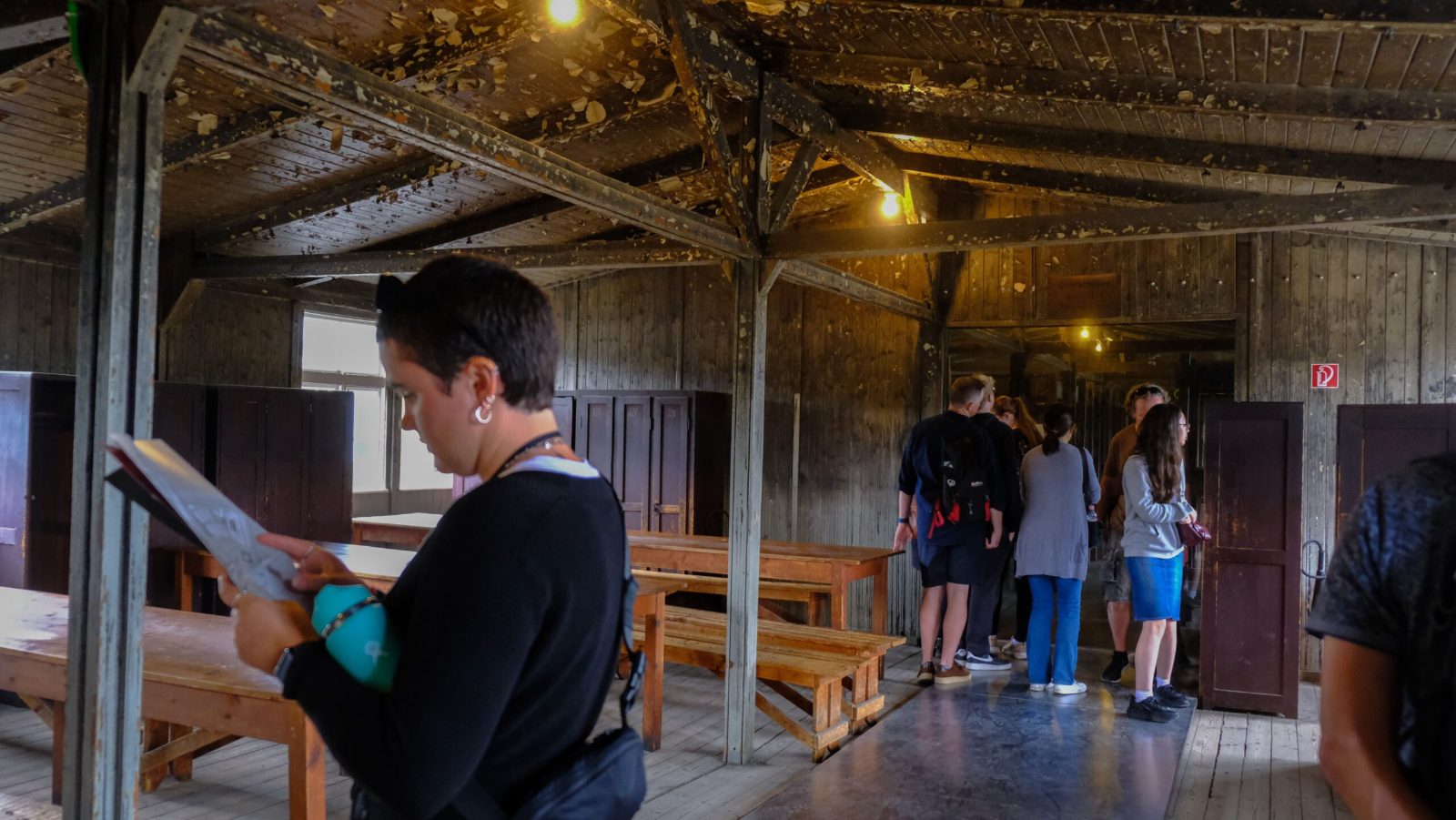
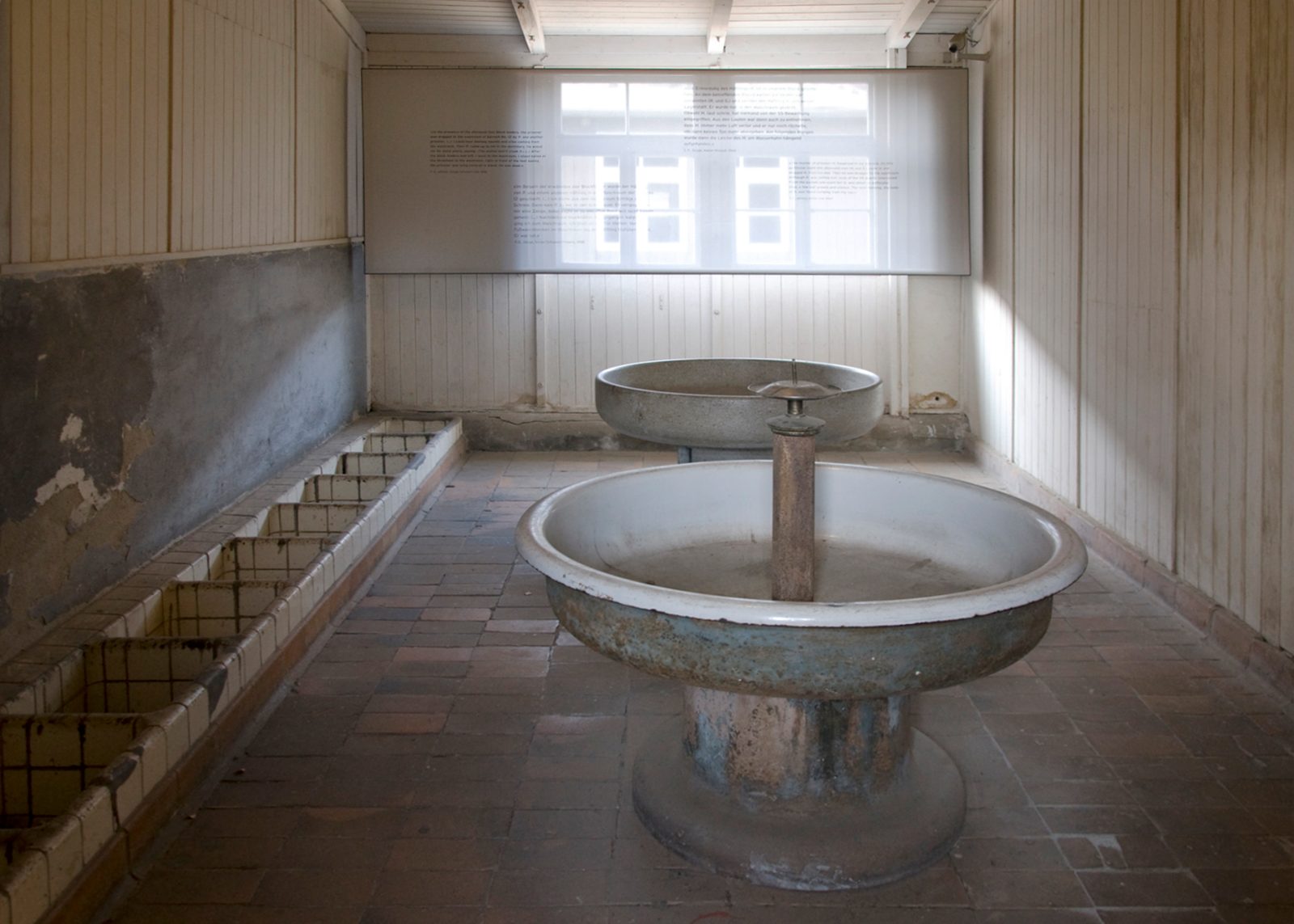
Restored barracks offer insight into the living conditions of the camp prisoners.
The separate detention block housed prisoners under strict isolation and harsh conditions.
This building now hosts the primary historical exhibition detailing the camp administration.
You board a coach in central Berlin just after eight in the morning, the 35-kilometre journey north tracing the route prisoners took under guard in 1936.
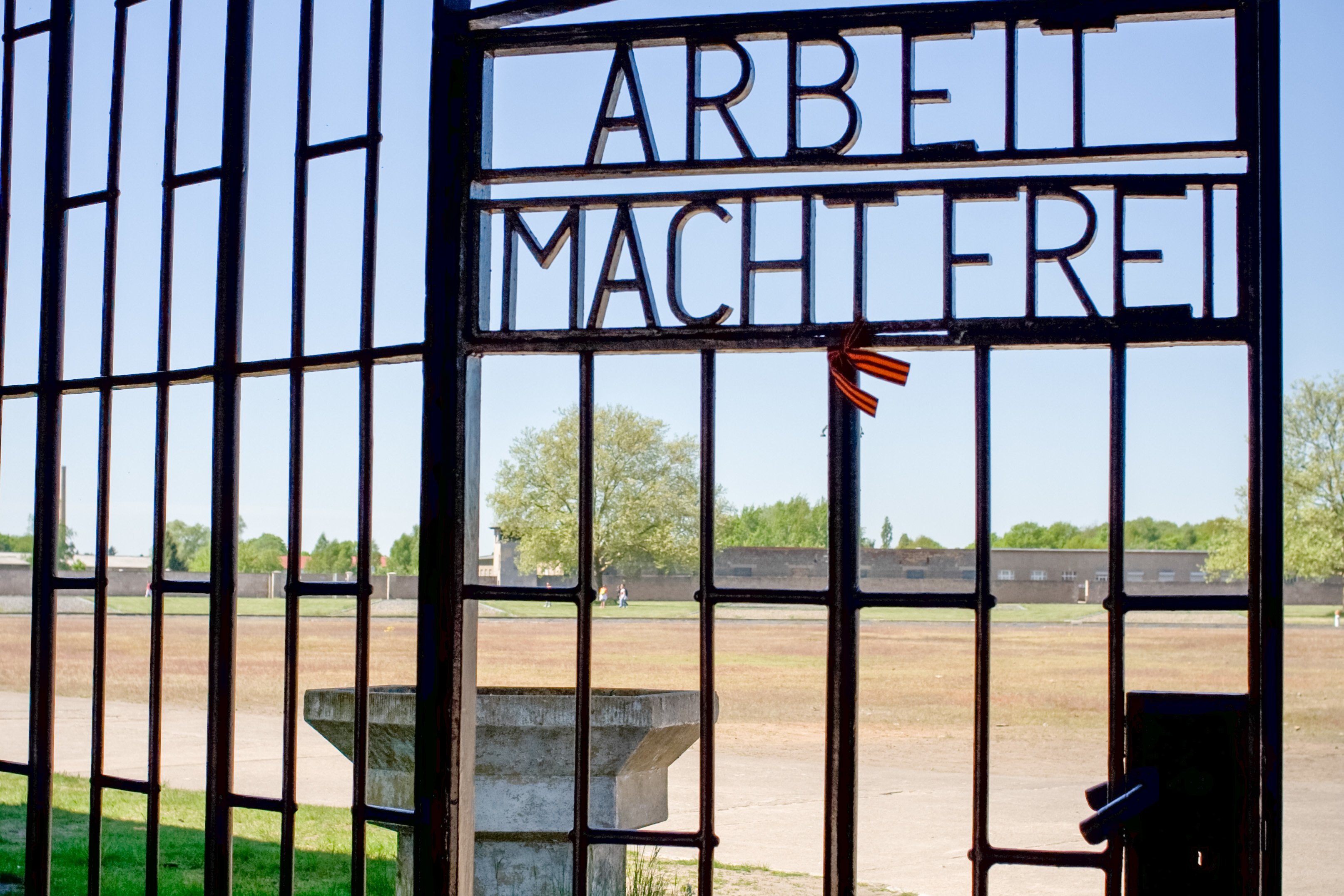
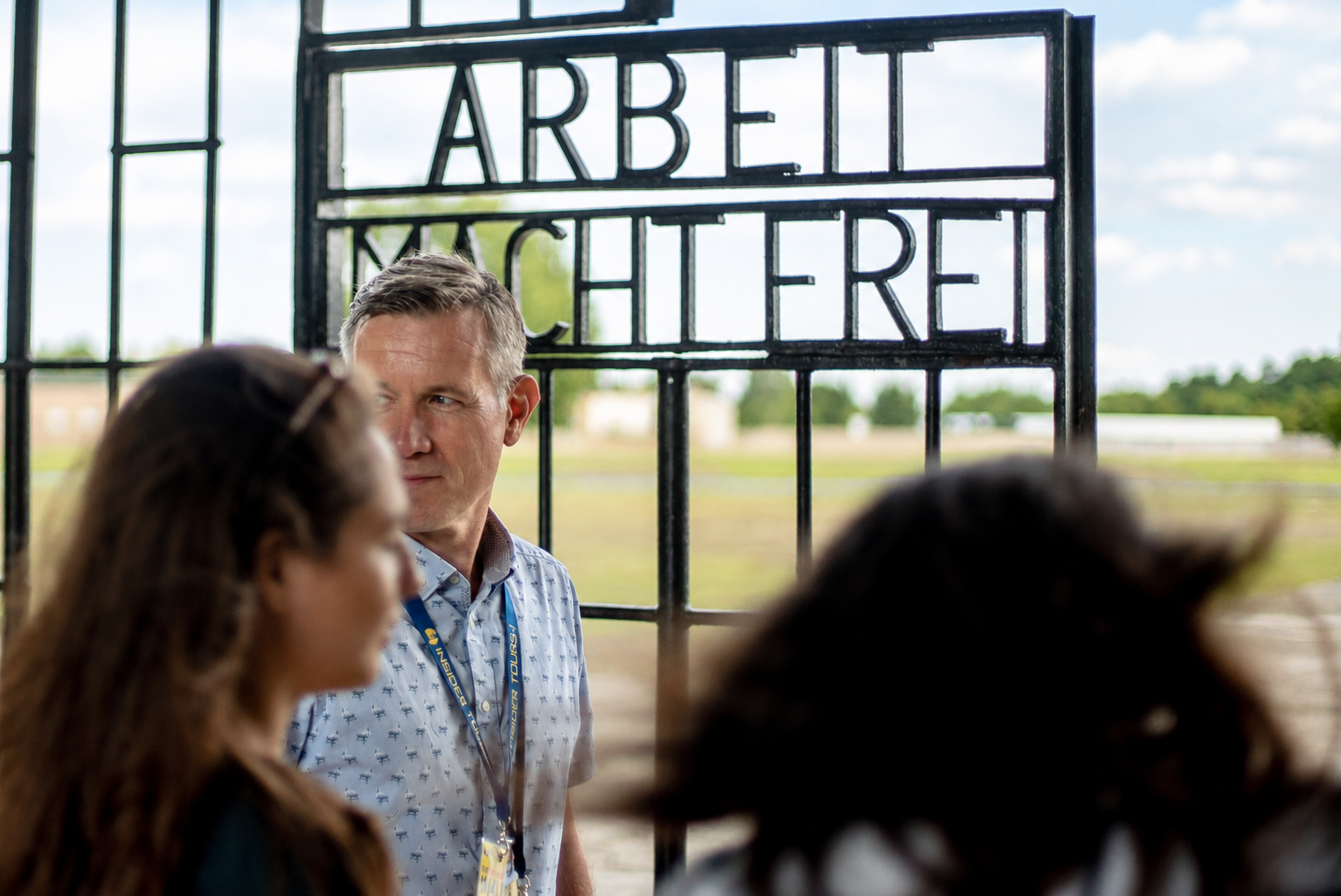
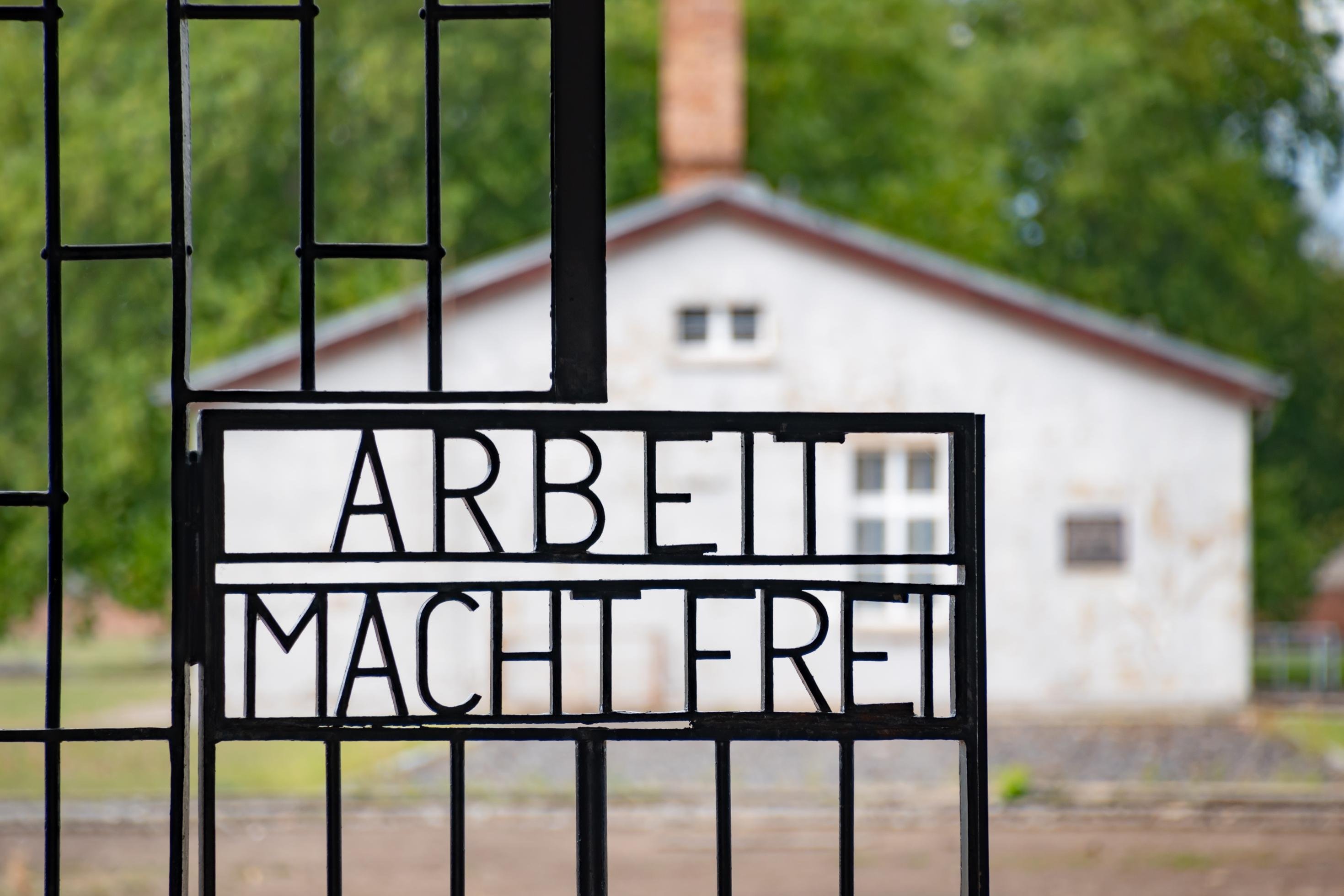
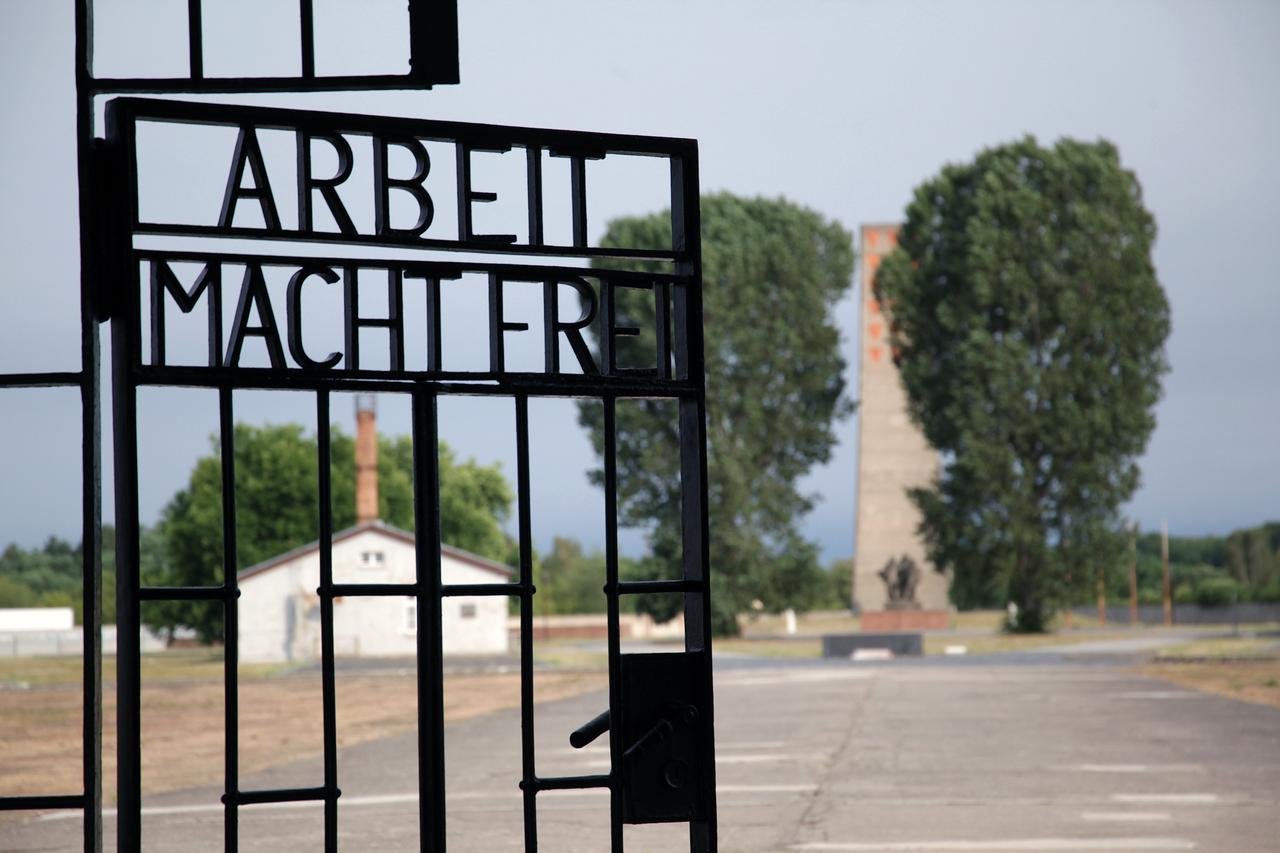
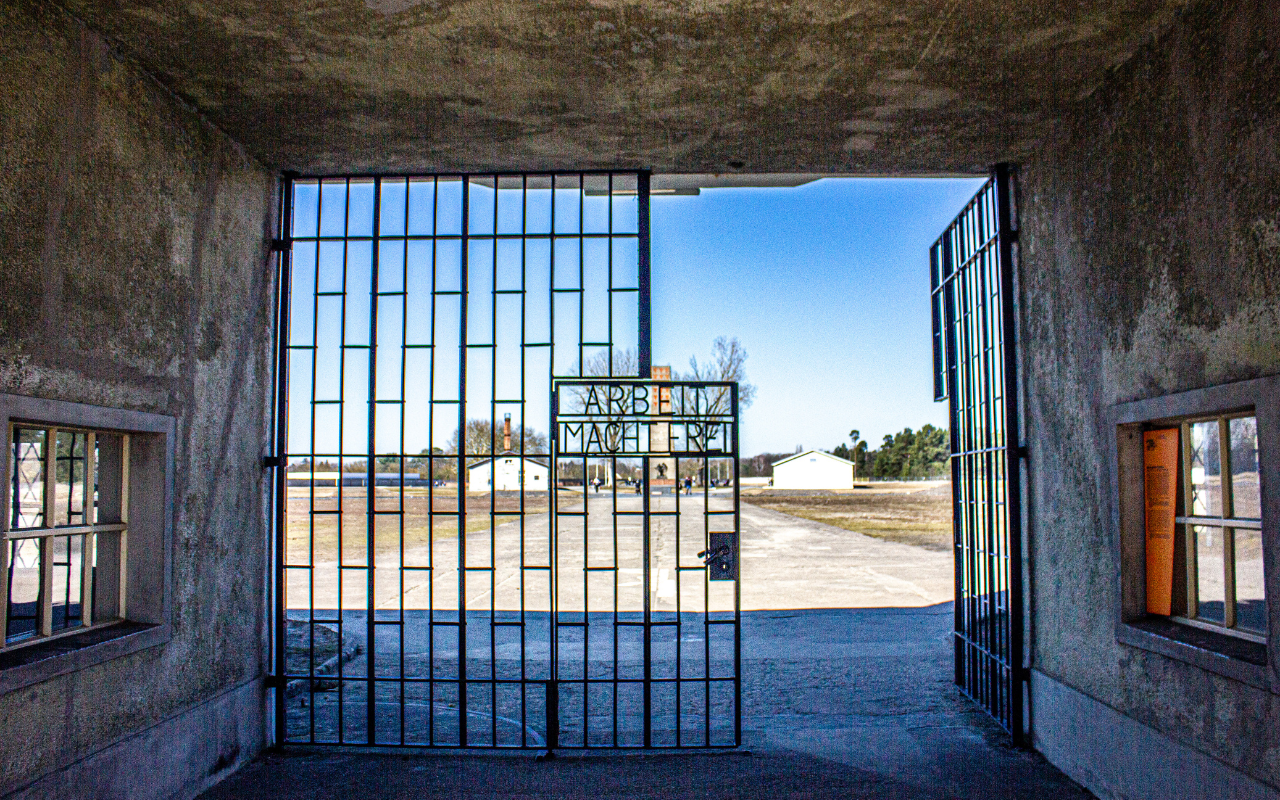
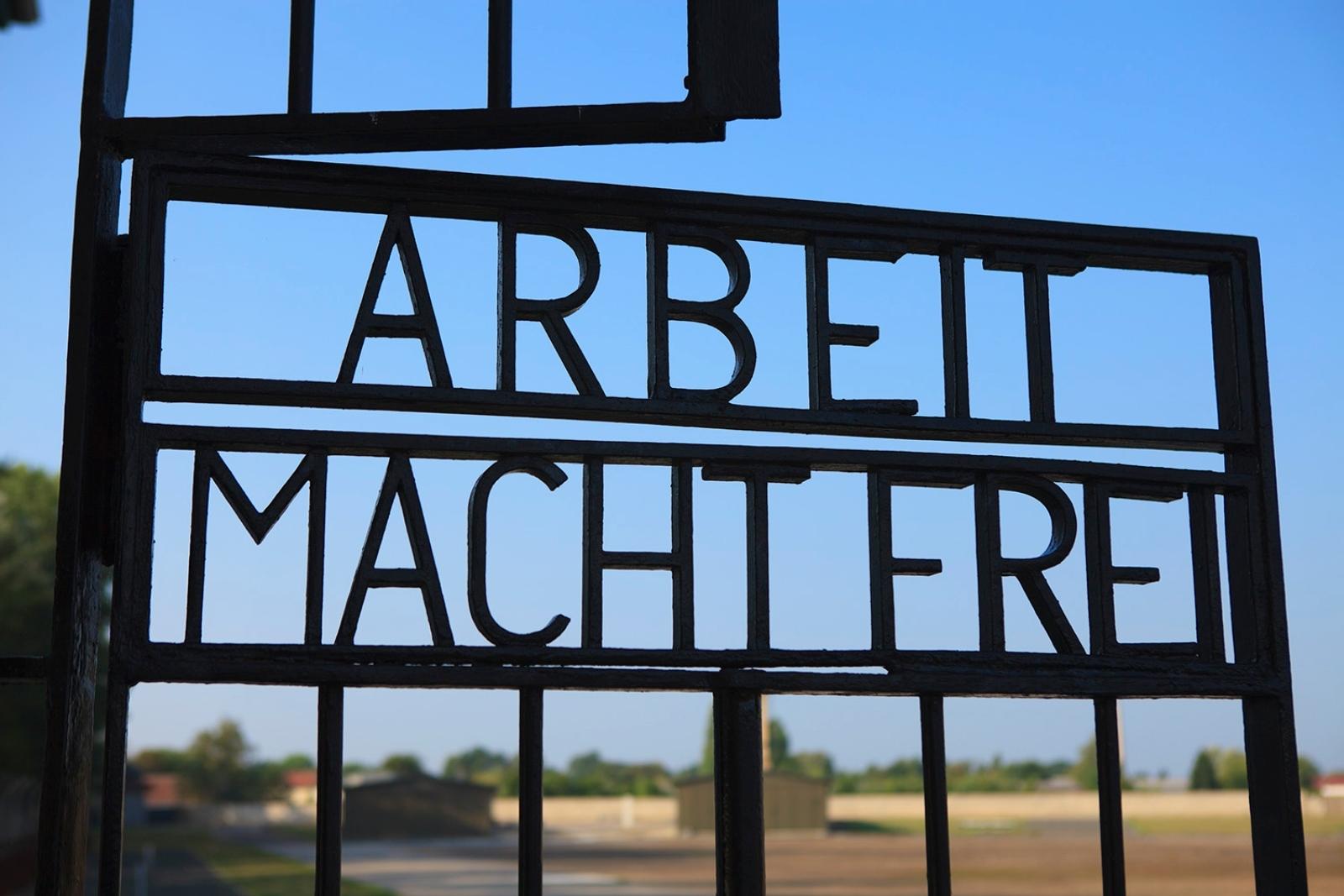
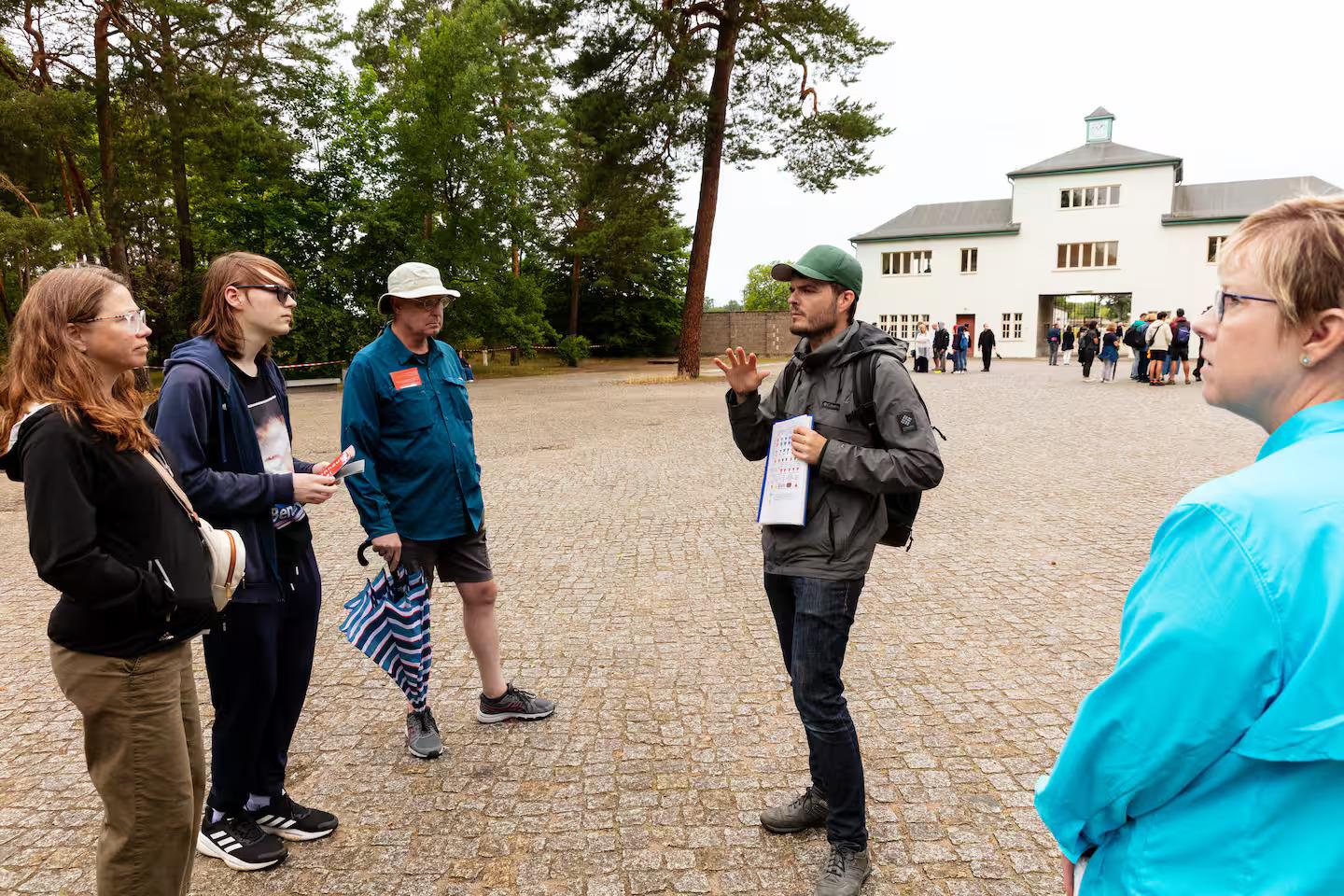
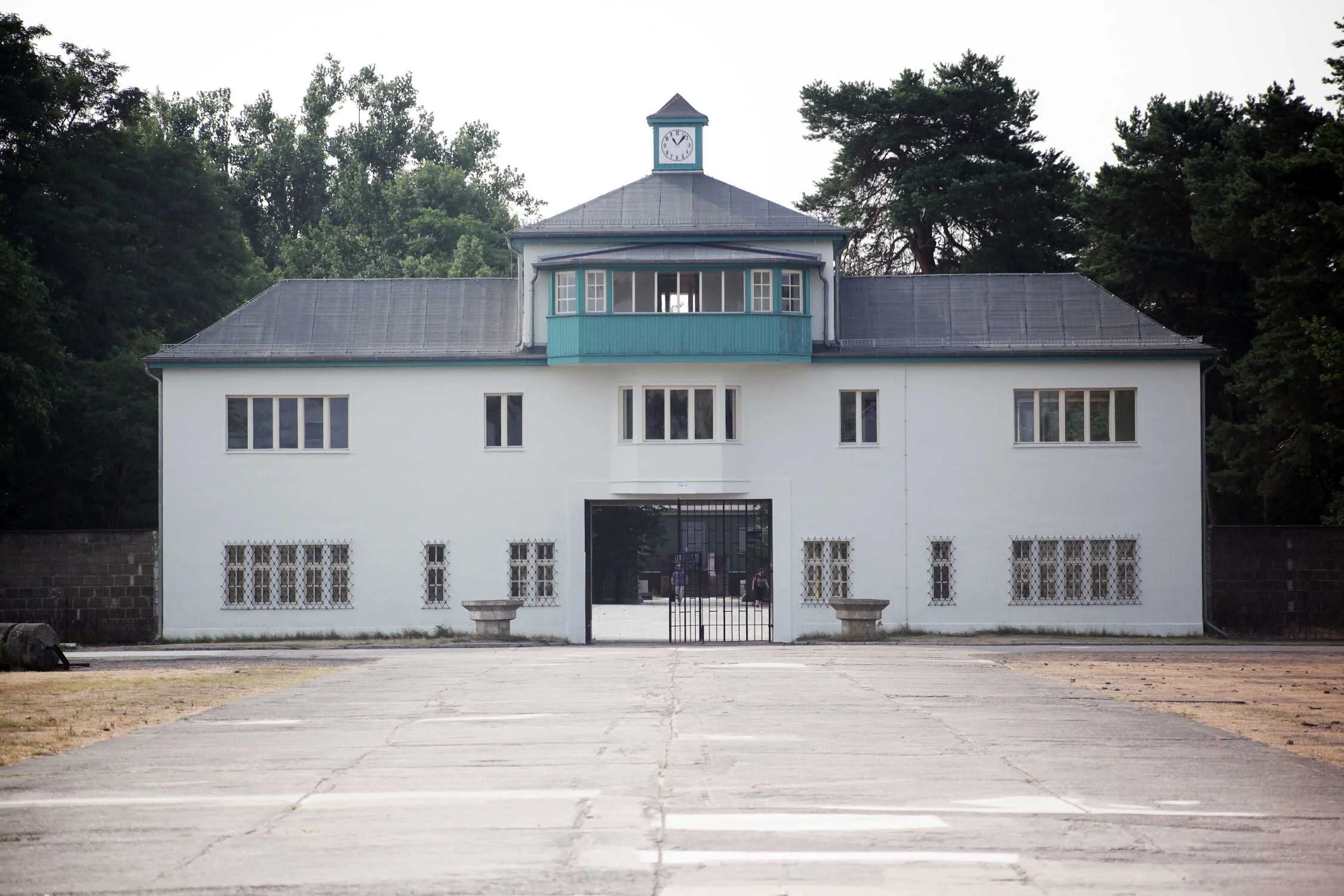
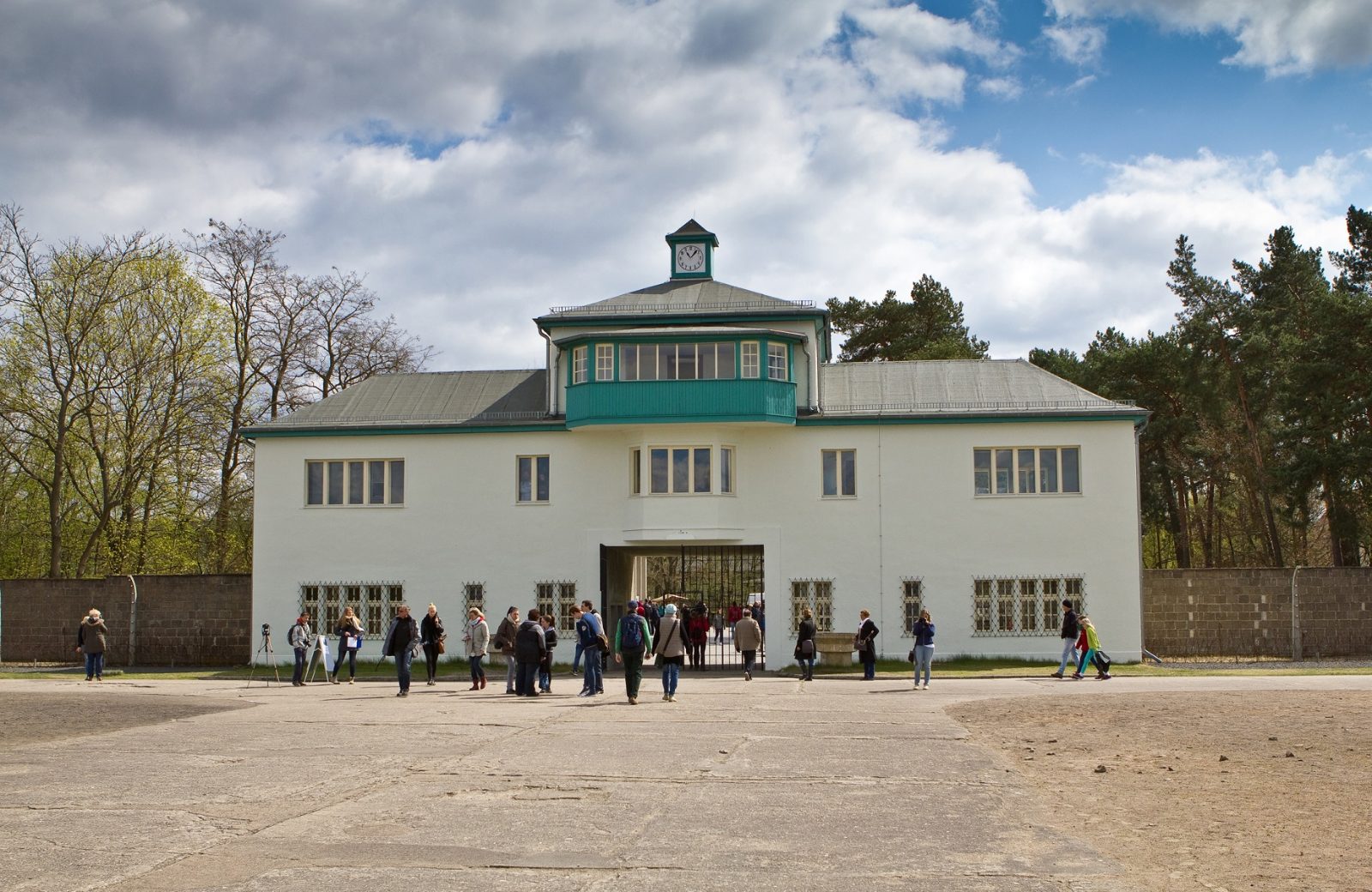
Arriving at the memorial's entrance on Straße der Nationen, your guide leads you through the steel gate bearing the cynical slogan Arbeit Macht Frei — work sets you free — into the vast triangular appellplatz where prisoners stood for hours during twice-daily roll calls, regardless of season or health. You walk the perimeter, pausing at Tower A, the central surveillance point from which SS guards monitored every corner of the camp. Your guide recounts the daily routines, the caloric rations, the labour commandos sent to nearby brickworks.
You enter the preserved punishment cells, narrow stone chambers where prisoners faced solitary confinement in darkness, then continue to Station Z, the execution facility at the camp's northwest edge. Here you stand before the crematorium ovens, the autopsy tables, the execution trench. The silence is deliberate. Afterward you move through the Jewish Barrack Museum, examining prisoner photographs and personal effects that restore individual identity to collective tragedy. The tour concludes in the pathology building, now housing exhibitions on medical experimentation and postwar justice. You leave through the same gate, the return journey marked by quiet reflection.
All the details about your upcoming adventure in one place
This berlin concentration camp tour takes you to Sachsenhausen Memorial, located 35 km north of Berlin. Guided memorial site tours provide historical context about the former SS training camp and its role from 1936 to 1945. Your berlin concentration camp tour tickets include round-trip transport from central Berlin, expert commentary on the camp's layout including the appellplatz, barracks, and punishment cells, and time to view preserved documentation at the on-site museum.
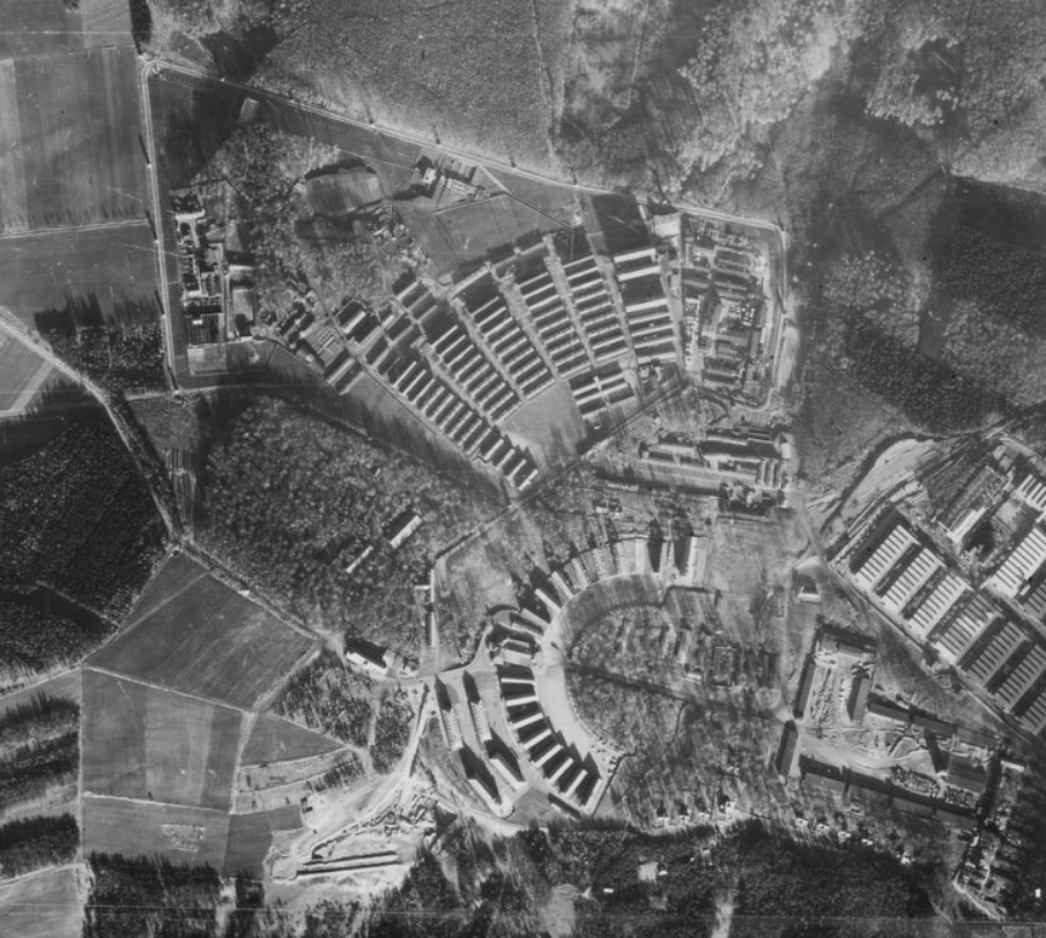
Sachsenhausen opened in 1936 as the model camp — architects of the SS state designed its triangular layout to maximize surveillance and control, a blueprint later reproduced across occupied Europe.
Heinrich Himmler inaugurated the facility in July of that year, positioning it as both a training ground for concentration camp administration and a detention centre for political prisoners, later expanding to house Soviet POWs, Jews, Sinti and Roma, and resistance fighters from across the continent. More than 200,000 people passed through Sachsenhausen's gates between 1936 and liberation in April 1945, tens of thousands perishing from forced labour, medical experiments, starvation, and systematic executions at Station Z, the camp's industrial killing facility completed in 1942.
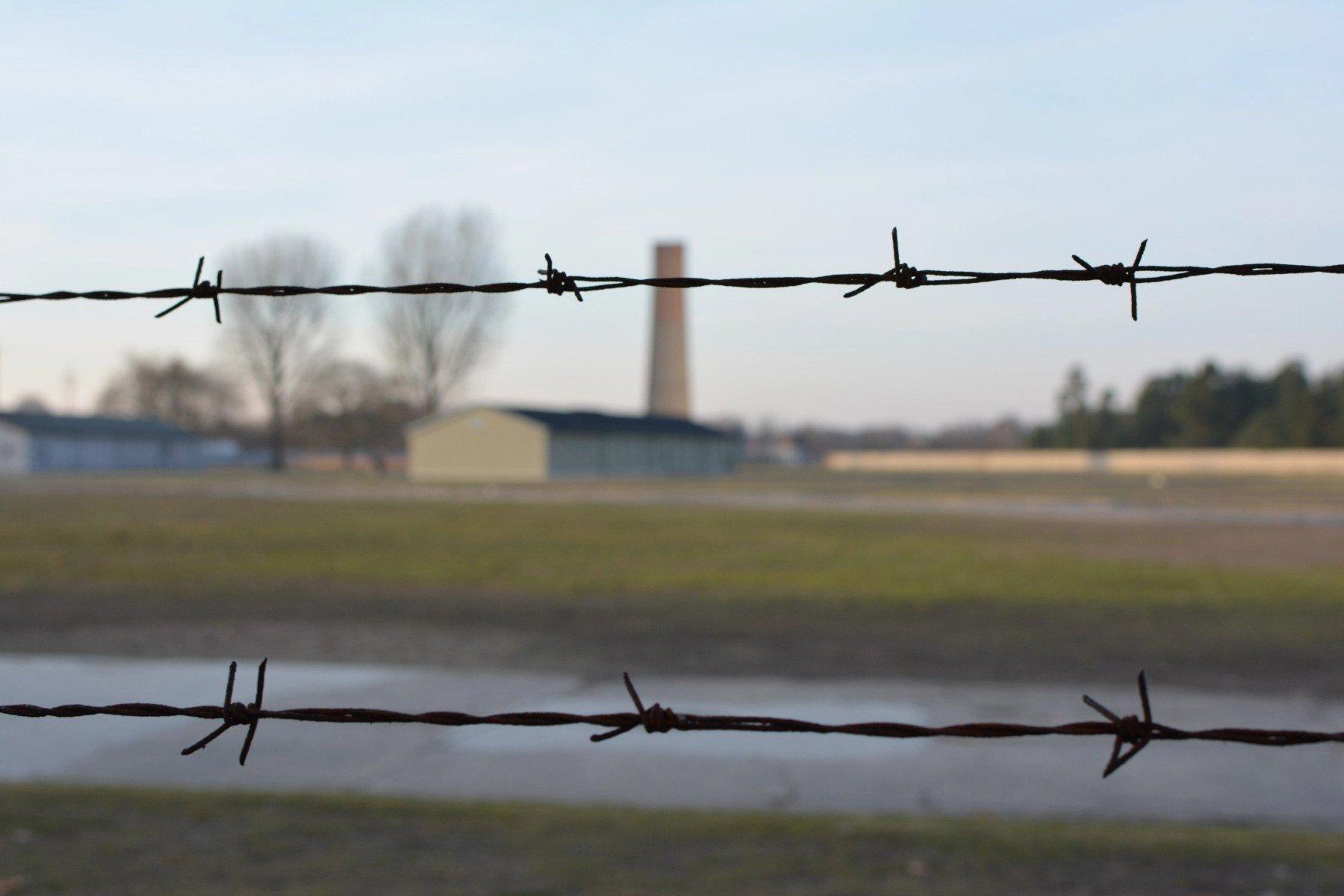
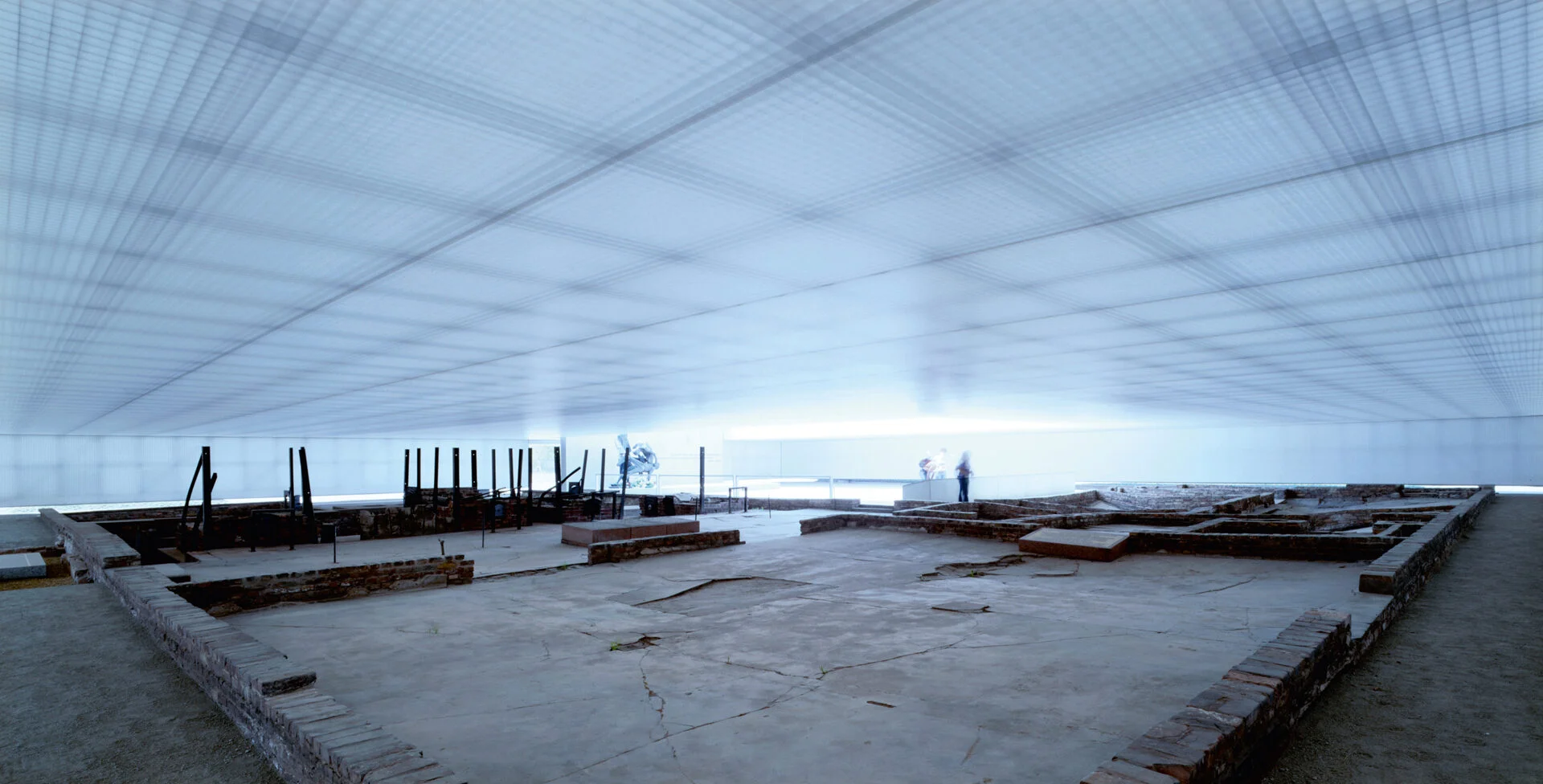
Today the memorial occupies 400 hectares of the original site, preserving barracks foundations, the punishment cells, the pathology building, and the execution trench where more than 10,000 Soviet prisoners were shot between 1941 and 1942. The perimeter wall, guard towers, and appellplatz remain intact, offering spatial testimony to the camp's operational logic. Two permanent exhibitions trace the evolution of the camp system and document individual prisoner experiences through letters, uniforms, and clandestine artwork. The Jewish Barrack Museum, opened in 2001, foregrounds the persecution trajectory that led from the Nuremberg Laws to industrial genocide. A third exhibition explores the camp's postwar history as Soviet Special Camp No. 7, where the NKVD interned Nazi functionaries and political opponents until 1950, adding a layered Cold War dimension to the site's narrative.
Berlin concentration camp tour providers typically offer half-day guided excursions departing from central Berlin, combining transport with three-hour on-site interpretive walks led by historians trained in pedagogy of difficult heritage. English-language tours cover the appellplatz, Station Z, the infirmary where medical crimes occurred, and the museum exhibitions. Many visitors book these memorial tours after reading berlin concentration camp tour reviews on specialist history forums or consulting berlin concentration camp tour reddit threads that compare Sachsenhausen's preserved authenticity with other memorial sites. The Sachsenhausen memorial charges no entrance fee, though advance booking through recognized tour operators secures expert commentary and contextual depth that independent visits often lack.

More than 200,000 people passed through Sachsenhausen's gates between 1936 and liberation in April 1945.
Dress respectfully and wear comfortable walking shoes suitable for gravel and uneven terrain. Given the open-air nature of the site, layered clothing is advised to adapt to changing weather.
Visitors may be subject to security checks upon entry to the memorial. Large backpacks should be kept to a minimum as storage facilities are restricted.
Photography is permitted for private use in most outdoor areas of the memorial. Please refrain from using flash or tripods inside indoor exhibition spaces.
The site is generally not recommended for children under the age of 14 due to the sensitive and graphic nature of the historical content. Parents are encouraged to prepare younger visitors for the heavy subject matter beforehand.
The memorial grounds are primarily flat, though historical gravel paths can be difficult to navigate for some wheelchair users. Accessible restrooms are available near the visitor center.
Consumption of food and beverages is restricted to designated areas. Please maintain a respectful demeanor and do not eat while walking through the memorial grounds.
Opening Hours
08:30–18:00
Address
Straße der Nationen 22, 16515 Oranienburg, Germany
Site Access
Extensive grounds with gravel paths
Best Arrival
08:30–11:00
Storage
Limited lockers available on site
Navigation
Interactive site maps at entrance
Public transport · 45 min · Standard Berlin AB zone ticket
Take the S-Bahn line S1 or regional train RE5 to Oranienburg station, followed by a bus or 20-minute walk.
Car · 40 min · Parking fees apply
Follow B96 north from Berlin and use public parking near the memorial.
As there is 0 EUR entrance fee, no refunds are applicable for general entry. Guided group tours arranged through external providers must follow their specific service terms.
Recommended time
4-6 hours
Plan for a 4-6 hour visit to absorb the extensive memorial grounds, barracks, and museum exhibitions at this significant site. Engaging in a berlin concentration camp tour allows you to walk through the gatehouse and explore the extensive compound at your own pace, though large groups often congregate near the commander's house. To ensure a thorough experience, arriving within the best arrival window of 08:30–11:00 helps avoid the larger tour groups that typically arrive from Berlin mid-morning. If you require berlin concentration camp tour tickets for a guided experience, confirm your meeting point well in advance to optimize your morning schedule.
Crowd levels through the day
Weather · crowds · average price — dots go green to amber to red as each metric rises.
Mild temperatures make walking the extensive grounds comfortable for visitors.
Expect the highest crowds during July and August; arrive at 08:30 to avoid them.
Cooler weather provides a somber, reflective atmosphere, though rain is frequent.
The site remains open, but outdoor conditions can be harsh; bring warm gear.
Arrive between 08:30 and 11:00 to avoid the largest crowds from Berlin.
Pick up a site map at the visitor center to locate all major historical markers.
Wear sturdy, closed-toe shoes to handle the pervasive gravel terrain.
Prioritize the museum housed in the former camp kitchen for essential historical context.
Review the site's official website for temporary exhibition updates before your trip.
Straße der Nationen 22, 16515 Oranienburg
Primary point for all group arrivals
Get directionsSachsenhausen opened in July 1936 as the Nazis' architectural prototype, designed by concentration camp inspector Theodor Eicke to standardize terror across the expanding camp system. Heinrich Himmler himself laid the foundation stone. The camp's triangular layout placed guard towers at geometric intervals, creating overlapping fields of fire across a central roll-call plaza that could hold thirty thousand prisoners. Architect Bernhard Kuiper embedded surveillance into every angle. By 1938, Sachsenhausen housed the SS administrative headquarters for all German concentration camps, making it the bureaucratic nerve center of the Holocaust infrastructure. The camp's purpose shifted with wartime demands. After Kristallnacht in November 1938, six thousand Jewish men arrived in a single week. In 1941, the SS constructed Station Z, a purpose-built execution facility with a neck-shooting room disguised as a medical examination station. Soviet prisoners of war died there by the thousands. The camp also operated a massive counterfeiting workshop—Operation Bernhard—where Jewish inmates forged British pounds and American dollars under threat of death. When the Red Army approached in April 1945, guards force-marched thirty-three thousand prisoners northwest; thousands collapsed on roadsides between Oranienburg and the Baltic coast. Soviet forces repurposed Sachsenhausen as Special Camp No. 7 from August 1945 through March 1950, incarcerating Nazi functionaries alongside Social Democrats and arbitrary arrestees. Twelve thousand died from malnutrition and disease under Soviet administration—a fact the East German memorial obscured until 1990. The German Democratic Republic opened a national memorial in 1961, but its exhibitions emphasized communist resistance while erasing Jewish suffering and the Soviet camp period. After reunification, historians excavated mass graves from both eras. Today's exhibits, redesigned in 2001 and expanded in 2018, present both chapters without hierarchy. Visitors on berlin concentration camp tours now encounter forensic honesty: preserved barracks, execution trenches, and documentation rooms that refuse simplification.
Heinrich Himmler inaugurates Sachsenhausen as the SS model camp and administrative headquarters for the entire concentration camp system.
Six thousand Jewish men arrive after Kristallnacht; the camp becomes a training ground for SS guards deployed across occupied Europe.
Station Z execution facility operates continuously; Operation Bernhard counterfeiting workshop produces millions in fake currency using prisoner labor.
Thirty-three thousand prisoners endure death marches as Soviet forces approach; thousands perish on roadsides before liberation.
Soviet NKVD converts the site into Special Camp No. 7, incarcerating twelve thousand Germans—many dying from starvation and typhus.
East German government opens a memorial emphasizing communist resistance while suppressing Jewish and Soviet-era histories.
Reunification enables archaeological excavations of mass graves and comprehensive redesign of exhibitions to include all victim groups.
Expanded museum installations integrate forensic evidence, survivor testimony, and digital archives accessible to berlin concentration camp tour participants.
Visiting the Sachsenhausen Memorial is a somber experience that requires careful preparation for minors; choosing a berlin concentration camp tour allows families to navigate these grounds with historical context. This educational journey offers a sobering look at history for older students.
The grounds consist of gravel paths and uneven terrain which can make using a stroller difficult and physically demanding. Visitors should prepare for significant walking across the large camp site during any standard Sachsenhausen memorial tour
The site is generally recommended for children aged 14 and older due to the complex and graphic nature of the exhibits. Parents should evaluate their child's emotional maturity before booking berlin concentration camp tour tickets
Public restrooms are available at the visitor center near the entrance, but family-specific amenities like baby-changing stations are limited. Planning for these infrastructure constraints is essential before arriving to start your berlin concentration camp tour tours
The site covers a vast area, so it is advisable to prioritize specific exhibitions rather than trying to see everything in one visit. Taking breaks is helpful when navigating the site with younger visitors during your berlin concentration camp tour tour
Before arrival, discuss the context of the camp with your children to help them process the heavy themes presented throughout the memorial. Using official educational materials can help frame the visit as a site of reflection rather than just a historic landmark.
Finding dining options near the berlin concentration camp tour site requires a short walk or drive into the town center of Oranienburg. As there are no full-service restaurants within the memorial grounds, most visitors utilize these local establishments before or after their visit to this historic Brandenburg site.
This cozy spot offers traditional German cakes and coffee, providing a calm atmosphere to reflect after walking the grounds of the Sachsenhausen memorial. It is well-regarded by those finishing their berlin concentration camp tour tours.
Real experiences from real travelers
Our berlin concentration camp tour to Sachsenhausen was deeply moving. The guide provided detailed context about the camp's role during the Nazi regime and the Soviet occupation period. Walking through the appellplatz where prisoners endured roll calls gave us a visceral understanding of the conditions. The exhibition in the former barracks is comprehensive and respectfully presented.
This memorial site outside Berlin offers crucial perspective on twentieth-century history. The preserved buildings and thoughtful documentation help visitors understand the systematic brutality of the camp system. Station Z memorial was particularly affecting. Allow at least three hours to properly absorb the exhibitions.
The Sachsenhausen memorial maintains authentic structures while providing excellent educational materials. Our guide explained the triangular layout designed for surveillance and control. The museum exhibits include prisoner testimonies and artifacts that personalize the historical record. A somber but necessary visit.
The berlin concentration camp tour requires emotional preparation. The scale of the site and the detailed accounts in the exhibitions are confronting. I appreciated the respectful approach taken by staff and the comprehensive information provided. The walk from Oranienburg station took about twenty minutes through residential areas.
While you can explore Sachsenhausen independently, having a knowledgeable guide transformed our understanding. They connected the physical spaces to historical events and individual stories. The autumn weather made the outdoor portions of the memorial grounds quite cold, so dress accordingly. The on-site bookshop offers excellent resources.
Als Deutsche war der Besuch der Gedenkstätte Sachsenhausen eine wichtige Auseinandersetzung mit unserer Geschichte. Die Ausstellungen sind umfassend und die erhaltenen Gebäude vermitteln die Realität des Lagers. Der Ort fordert zum Nachdenken auf.
This concentration camp memorial provides extensive documentation about the camp's operation from 1936 through liberation. The audio guide offers detailed explanations at each significant location. Walking the perimeter reveals the isolation prisoners experienced. The memorial manages to educate without sensationalizing.
Our berlin concentration camp tour to Sachsenhausen left a lasting impression. The preserved pathology building and execution trench convey the systematic nature of the atrocities. The guide emphasized individual prisoner stories alongside broader historical context. This visit deepened my understanding of Holocaust history.
The memorial does excellent work preserving this dark chapter of history. The exhibitions in the former camp kitchen and laundry buildings provide detailed information about daily life and the camp administration. The site is extensive, so comfortable walking shoes are essential. Entry is free but donations support ongoing preservation.
Taking a berlin concentration camp tour should be part of any visit to the region. Sachsenhausen's proximity to Berlin made it a prototype for other camps. The guide connected our visit to broader themes of resistance, complicity, and remembrance. The memorial serves as a powerful reminder of where hatred and indifference lead.
Everything you need to know for your journey
Sachsenhausen Concentration Camp is open daily from 08:30–18:00. This schedule applies throughout the entire week.
Entry to the memorial and museums is 0 EUR. No tickets are required for individual entry.
To ensure a better experience, we recommend arriving between 08:30–11:00 to avoid larger groups arriving from Berlin.
Small personal bags are allowed, but large luggage should be avoided as storage is limited. All bags may be subject to security screening.
Photography is permitted in outdoor areas for private use, but please be respectful in sensitive zones. Flash and tripods are not permitted inside exhibitions.
The site features flat paths, though gravel surfaces are common. Accessible facilities are provided at the main visitor center.
Visitors can reach the site by taking the S1 or RE5 train to Oranienburg. Detailed directions are available via public transit apps.
While the site is open to all, the history is somber and typically recommended for visitors aged 14 and older.
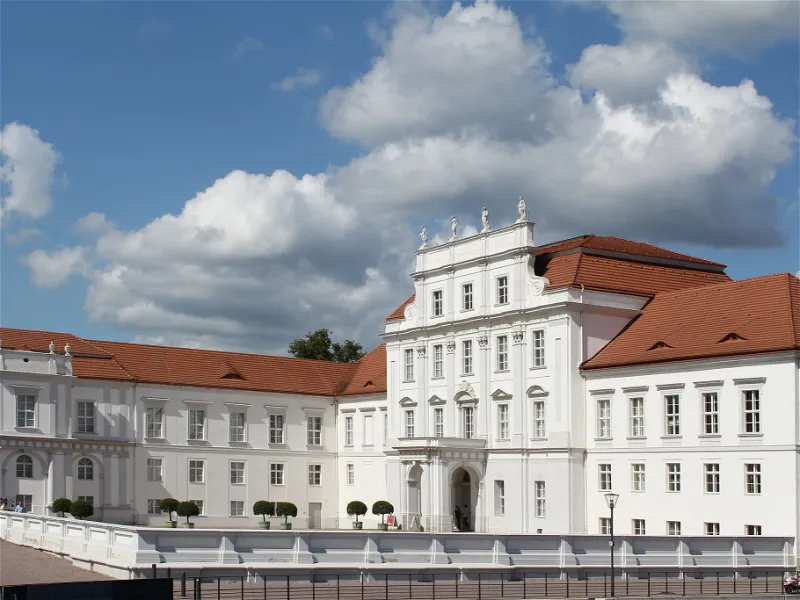
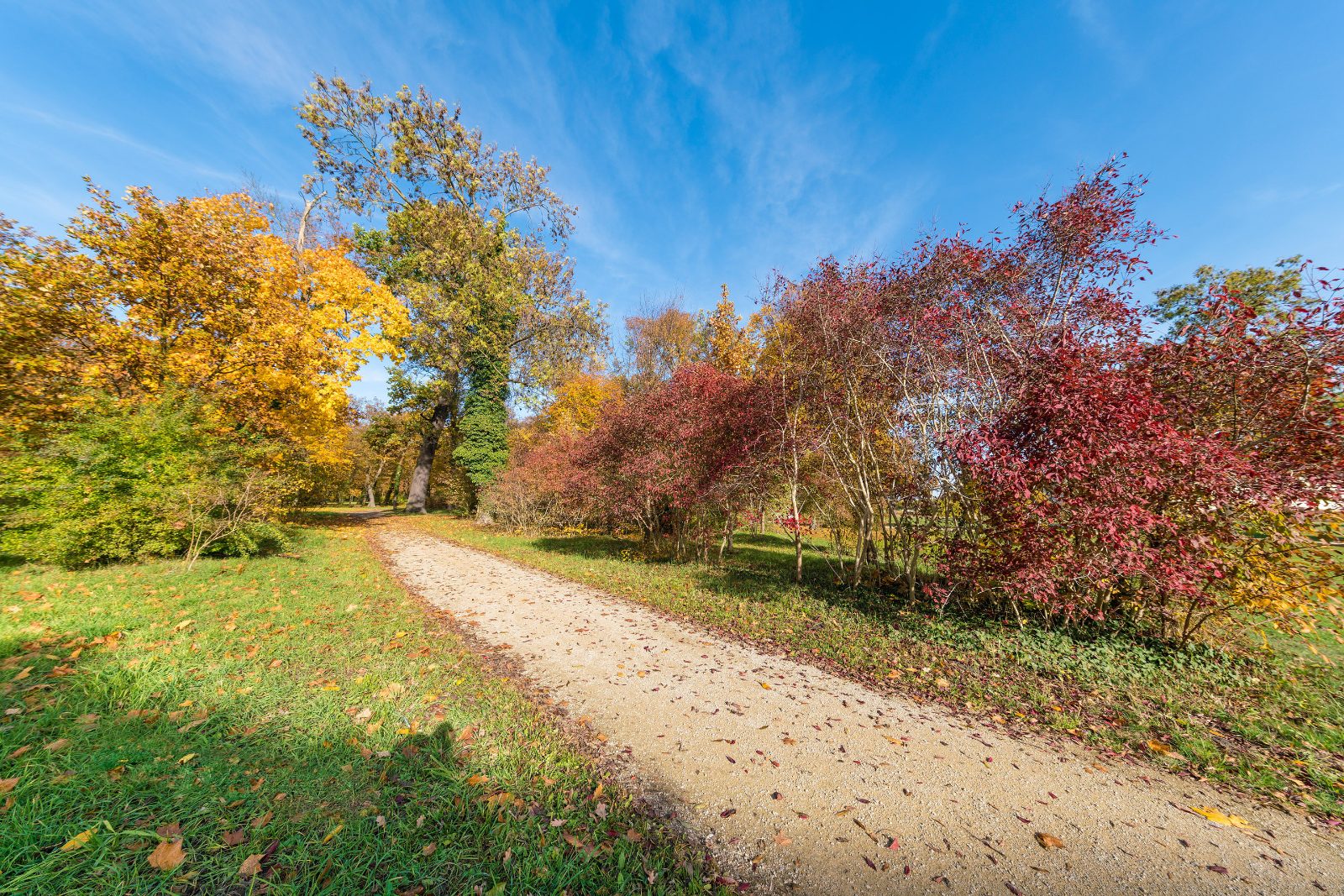
You can visit Oranienburg Palace or the Schlosspark, both located within walking distance of the memorial.
As the site entry is 0 EUR, there is no cancellation fee for general admission. External tour providers determine their own cancellation terms.
A baroque residence featuring a regional museum and park grounds.
Extensive green space surrounding the historic palace complex.
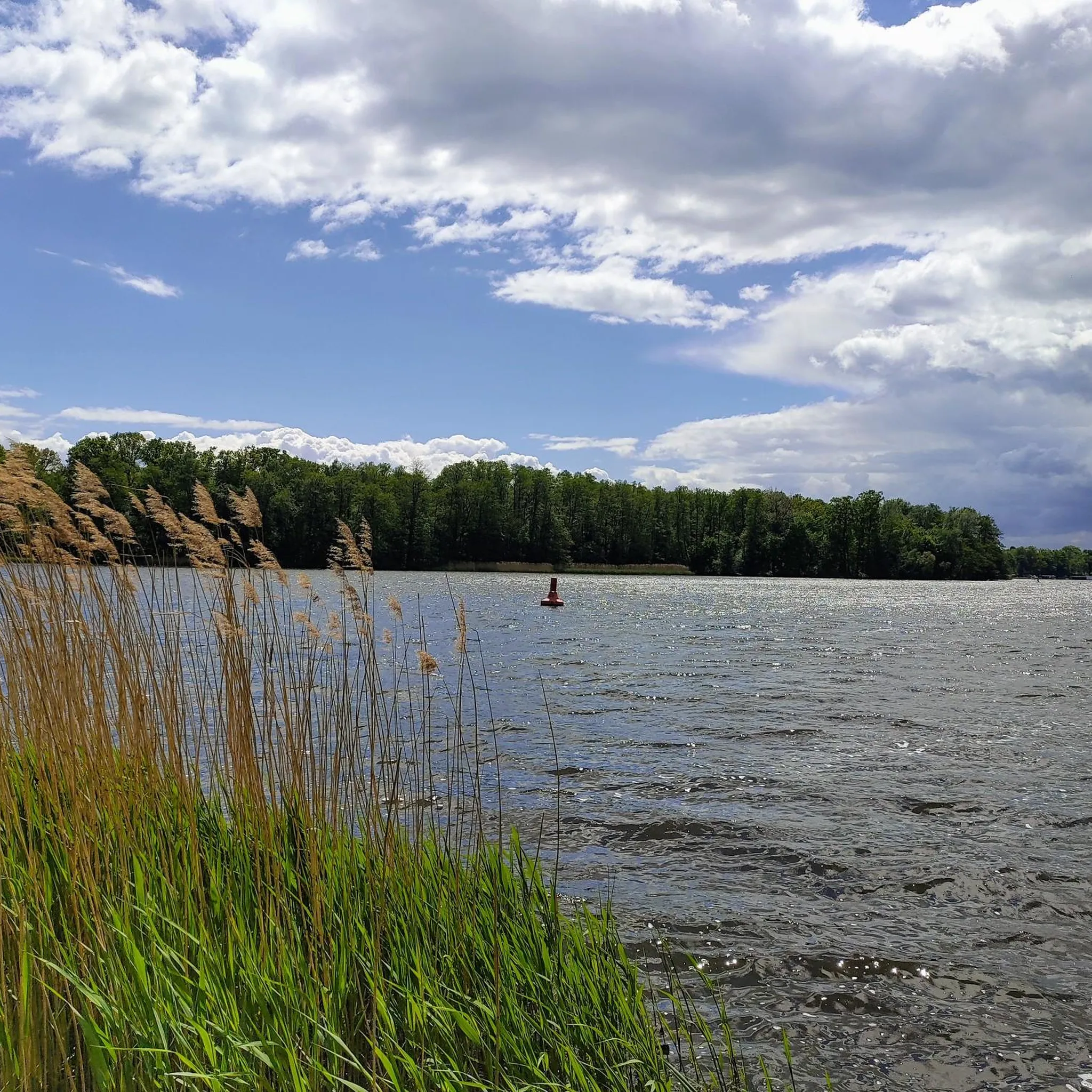
A quiet lake area suitable for post-visit reflection.
Comfortable lodging located near the Oranienburg palace.
Join thousands of happy travelers who have discovered this incredible experience
Book Your Experience Now